What Is a Certificate of Eligibility Japan Students Need?
Why You Need a COE Before Getting a Student Visa
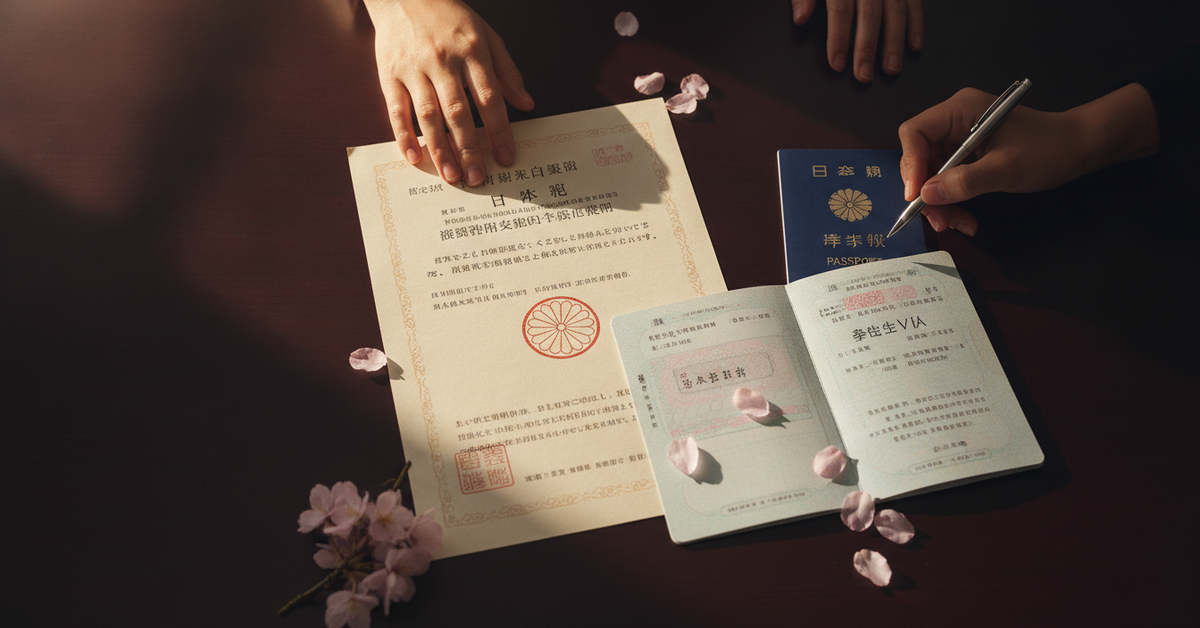
A Certificate of Eligibility is an official document from Japan’s immigration authority. It proves you have a valid reason to enter Japan. In this case, that reason is studying at a school.
You cannot get a student visa without a COE first. The Japanese embassy in your country needs to see it. So, the COE is your first big step.
Think of it like a permission slip. Japan’s government checks your details before you even leave home. Therefore, the process starts much earlier than most students expect.
Getting a COE takes time, so you must plan ahead. Most students start the process six to nine months before their school start date.
Who Applies for the COE — You or Your School?
Here is something many students get wrong. You do not apply for the COE yourself. Instead, your Japanese language school applies on your behalf.
The school sends your documents to the local immigration office in Japan. Therefore, you need to be enrolled or accepted first. Under Japanese immigration regulations, your school submits the COE application to the Immigration Bureau on your behalf.
So, your job is to prepare your documents carefully. The school needs things like your passport copy and financial proof. Also, you may need a personal statement or photos.
Furthermore, each school has its own deadline for document submission. Missing that deadline can push back your entire timeline. Always ask your school for their exact schedule early on.
How the Certificate of Eligibility Japan Application Works
What Documents Do You Need for a Student COE?
Your school will give you a list of required documents. However, most schools ask for the same core items. Start gathering these as early as you can.
First, you need a valid passport copy. In addition, you need proof that you can pay for your stay. This means bank statements or a financial support letter from a parent.
Also, many schools ask for a personal statement. You write why you want to study in Japan. Furthermore, some schools require a photo and your academic records.
Most documents written in English do not need translation. If any of your documents are in a language other than English or Japanese, have them translated before submitting them. Some schools want certified copies, not just scans. Always check your school’s exact list before you submit anything.
How Long Does It Take to Receive Your COE?
Once your school sends your documents to immigration, the wait begins. In most cases, it takes one to three months. However, busy seasons can make it longer.
Spring intake is the most popular time to start school. As a result, many students apply at the same time. This can slow down the process by several weeks.
Therefore, always apply as early as your school allows. Do not wait until the last moment. Also, check with your school if you have not heard back after two months.
Meanwhile, use the wait time to prepare other things. For example, look into housing and travel costs. So, the wait does not have to feel wasted.
What to Do After You Get Your Certificate of Eligibility
How to Use Your COE to Apply for a Student Visa
Your school sends the COE to you by mail or courier. In most cases, you get the original paper document. Therefore, keep it safe and do not damage it.
Next, take your COE to the Embassy or Consulate of Japan in your country. You apply for your student visa there. In addition, bring your passport, photos, and the visa application form.
Also, each embassy has its own processing time. However, most student visas take about five to ten days. So, do not book your flight until you have your visa in hand.
Furthermore, check the Ministry of Foreign Affairs of Japan visa information page for their exact document list. Some countries need extra forms or fees. Therefore, contact your local embassy early to avoid any surprise delays.
What If Your COE Is Delayed or Has an Error?
Sometimes the COE arrives late or contains a mistake. For example, your name or birth date may be wrong. In that case, contact your school right away.
Your school is the one who talks to immigration, not you. Therefore, they must request any fix or update. However, corrections can take extra weeks, so act fast.
Also, a delay may push back your visa and travel date. As a result, your school start date could shift too. So, always keep your school updated on what you receive.
Meanwhile, do not panic if things run a little slow. Most issues get resolved with clear communication. Furthermore, JASSO provides helpful guidance on studying in Japan, including general information about timelines and student procedures. Your school has also handled these problems before and knows what to do.