What Is the Japan Residence Card for Students?
How the COE and Student Visa Lead to Your Card
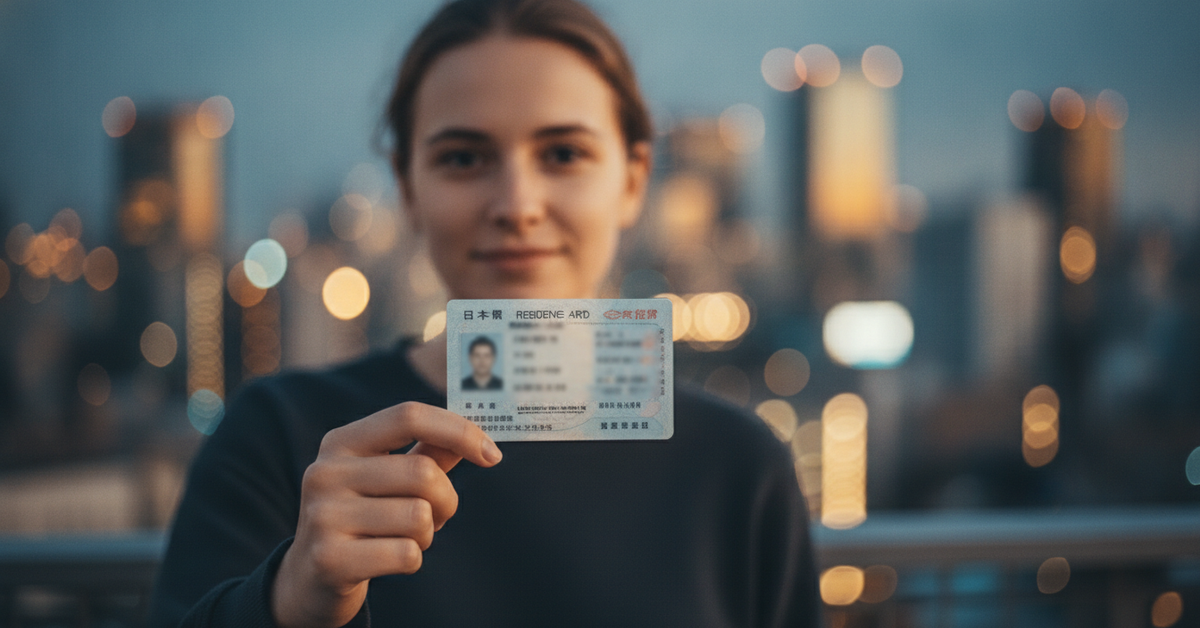
The Residence Card (在留カード, *zairyū kādo*) is the official ID card Japan issues to all mid-to-long-term foreign residents, including international students. It proves your “Student” status of residence and identifies you legally while you live in Japan.
Before you can get the card, you need two things: a Certificate of Eligibility (COE) and a student visa. Under Japanese immigration rules, your school files the COE application to the Immigration Bureau on your behalf. COE processing takes approximately 41 days on average. Once you have it, you apply for your visa at an Embassy or Consulate of Japan — you can check current visa requirements on the Ministry of Foreign Affairs of Japan visa information page — which takes 5–10 working days.
When and Where You Receive the Card on Arrival
Where you land determines when you get your card. Students arriving at one of seven major airports — Narita, Haneda, Chubu, Kansai, Shin-Chitose, Hiroshima, or Fukuoka — receive the Residence Card directly at the port of entry. You walk through immigration and leave with the card in hand.
If you arrive at any other port, immigration staff will stamp your passport instead. Your Residence Card is then mailed to your registered address in Japan. This means you’ll need a confirmed address ready before you arrive — typically your school dormitory or a place your school has arranged. Either way, once you have the card, your life in Japan officially begins.
Your Obligations After Getting Your Residence Card
Register Your Address Within 14 Days of Arrival
Getting your Residence Card is just the first step. Once you settle into your place in Japan, you must visit your local municipal or ward office and register your address — and you have only 14 days to do it.
This process is called resident registration, and it’s not optional. Bring your Residence Card and passport to the office. Staff will record your address and update your card. This registration also links you to local services like your My Number, health insurance, and public utilities. If your school is in a city, the ward office is usually close by. Go early in your stay — don’t leave it to the last few days of your two-week window.
Carry the Card and Report Any Address Changes
You must carry your Residence Card at all times while in Japan. This is a legal requirement, not just good advice. If a police officer or immigration officer asks to see it and you don’t have it, you can face a fine of up to ¥200,000.
Moving to a new address? You must report the change. If you fail to update your address for 90 days without a valid reason, Japan’s immigration authority can revoke your residence status entirely — meaning you could lose the right to stay. Always report a move to your ward or municipal office as soon as you settle in. It takes only a few minutes and protects your legal standing in Japan.
Working and Renewing Your Student Residence Card
Work Permission Rules for International Students
Your Student residence status does not include the right to work by default. To take a part-time job, you need a separate permit called “Permission to Engage in Activity Other Than That Permitted under the Status of Residence Previously Granted.” That’s a long name — most people just call it a work permit.
The good news is you can request it at the airport when you arrive. Once granted, check the back of your Residence Card to confirm permission. During term time, you can work up to 28 hours per week. During official school holidays, that limit rises to 40 hours. JASSO publishes useful guidance on student life in Japan, including information on scholarships and living costs that can help you plan your finances alongside part-time work.
How and When to Renew Your Residence Card
Your Student status allows a stay of up to 4 years and 3 months, but you’ll need to renew before it expires if you’re still studying. You can submit your renewal application up to three months before your current period ends — don’t wait until the last week.
Your attendance record matters. Immigration looks at how regularly you’ve attended class when deciding whether to approve your renewal. Missing too many days is a real risk. Submit your renewal at a Regional Immigration Bureau in person. Since June 2026, all residence card applications also require a facial photograph, so bring a suitable photo with you when you go.
Frequently Asked Questions
When exactly do I receive my Residence Card — at the airport or later?
It depends on where you land. Students arriving at one of seven major airports (Narita, Haneda, Chubu, Kansai, Shin-Chitose, Hiroshima, or Fukuoka) receive the card directly at immigration. If you arrive at any other port, your passport gets stamped and the card is mailed to your registered address in Japan.
How long do I have to register my address after arriving in Japan?
You have 14 days from settling into your place to visit your local municipal or ward office and register your address. Bring both your Residence Card and passport. This resident registration links you to essential services like your My Number, health insurance, and public utilities.
What happens if I don’t carry my Residence Card with me?
Carrying your Residence Card at all times is a legal requirement in Japan, not just a recommendation. If an immigration or police officer asks to see it and you can’t produce it, you can face a fine of up to ¥200,000.
Can I work part-time as an international student, and do I need permission first?
Your Student residence status doesn’t include the right to work by default — you need a separate work permit. You can request it at the airport when you arrive, and once granted, it appears on the back of your Residence Card. During term time you can work up to 28 hours per week, rising to 40 hours during official school holidays.
What happens if I move to a new address and don’t report it?
You must report any address change to your ward or municipal office as soon as you settle in. If you fail to update your address for 90 days without a valid reason, Japan’s immigration authority can revoke your residence status entirely — meaning you could lose the legal right to stay in Japan.
What do I need before I can receive my Residence Card?
You need two things first: a Certificate of Eligibility (COE) and a student visa. Under Japanese immigration regulations, your school submits the COE application to the Immigration Bureau on your behalf, which takes approximately 41 days on average. You then apply for your visa at an Embassy or Consulate of Japan, which typically takes 5–10 working days.