How Much Does a Japan Concert Ticket Cost?
Standard Price Ranges by Venue Type
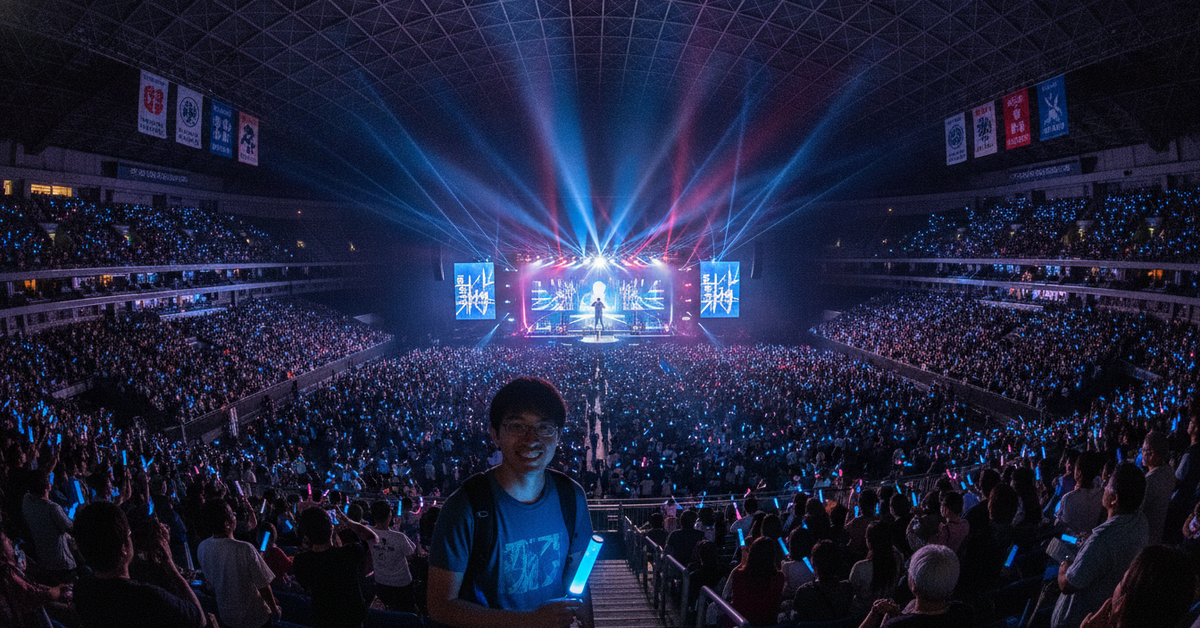
Japan concert ticket prices are more affordable than most overseas fans expect. A standard live show at a small club or live house typically costs ¥3,000 to ¥6,000. Mid-size venue shows run ¥5,000 to ¥10,000, and arena concerts from well-known Japanese artists usually land between ¥8,000 and ¥12,000.
Stadium shows and major tours from top-tier artists can reach ¥12,000 to ¥15,000. That’s roughly $80 to $100 USD at current rates — still cheaper than many Western arena shows. Dome concerts, like those held at Tokyo Dome, sit at the higher end of that range.
Standing tickets often cost less than seated ones for the same show.
VIP, Fan Club, and Premium Seat Pricing
Premium and VIP tickets in Japan work differently than in the West. You won’t always find a straightforward “VIP package” on sale to the public. Instead, the best seats go through artist fan clubs, and fan club members get first access via a private lottery.
Fan club tier seats typically cost ¥12,000 to ¥18,000. Some premium packages include a photo booklet or early entry, pushing prices to ¥20,000 or more. These packages rarely appear on general sale platforms like eplus or Pia.
Arena floor seats and front-block seats are especially hard to get without fan club membership. For overseas fans, joining a Japanese fan club adds another layer of difficulty.
Hidden Costs Foreigners Miss When Buying Japan Tickets
Service Fees, Pickup Options, and Shipping
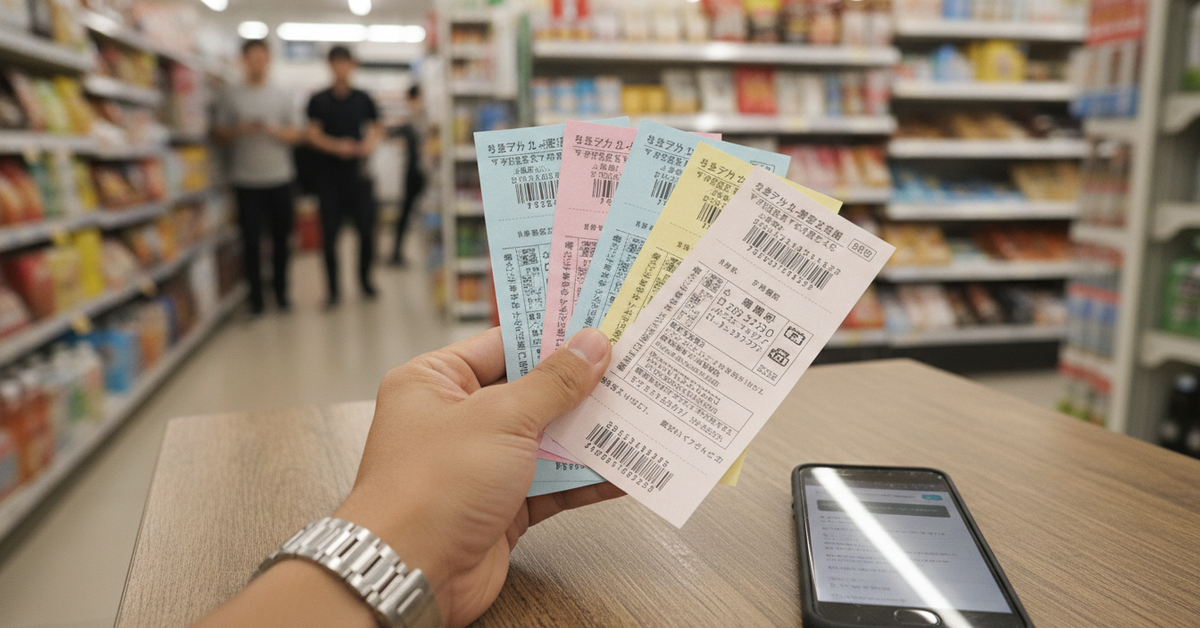
The ticket price you see on a Japanese platform is rarely the final price you pay. Most platforms add a system fee of ¥220 to ¥550 per ticket on top of the face value. That’s easy to miss if you don’t read Japanese well enough to spot the breakdown at checkout.
Pickup adds another cost. Many tickets require collection at a convenience store like Lawson or FamilyMart, which adds a handling fee of around ¥110 to ¥220. If you want tickets mailed to a Japanese address, expect a shipping fee of ¥185 to ¥600 depending on the service.
Overseas shipping is rarely offered directly.
Currency, Exchange Rates, and Your Real Total
Japan concert ticket prices are listed in yen, but what you actually pay depends on the exchange rate on the day your card gets charged. Rates shift daily, and a weak yen is great for buyers — but it won’t stay weak forever. Always check the current rate before you commit.
Your bank or card provider may also add a foreign transaction fee of 1.5% to 3%. On a ¥10,000 ticket, that adds up to ¥150 to ¥300 extra. It’s a small amount, but it stacks up if you’re buying multiple tickets.
Use a card with no foreign transaction fees when possible. Some travel cards waive this charge entirely. A proxy service typically invoices you in your home currency, which removes the guesswork on exchange rates.
How Foreigners Can Buy Japan Concert Tickets in 2026
Why Japanese Ticketing Platforms Block Overseas Fans
Japanese ticketing platforms like eplus, Pia, and Lawson Ticket require a Japanese phone number and a local address to register. Without both, you can’t create an account — and without an account, you can’t enter a lottery or buy a ticket. This isn’t a bug; it’s how the system works by design.
Most popular shows sell through a pre-sale lottery, not open sale. Fans apply during a set window, and winners get the chance to buy. Overseas fans miss this window entirely because they can’t register in the first place.
Even when general sale tickets appear, they sell out in minutes. The system heavily favors residents with fast local access.
Using a Proxy Service to Book Your Tickets Abroad
A ticket proxy service is a company based in Japan that registers, enters lotteries, and buys tickets on your behalf. You don’t need a Japanese address or phone number — the proxy handles all of that. It’s the most reliable way for overseas fans to access Japan’s ticketing system.
Globe Co., Ltd. is a Tokyo-based team that does exactly this. You submit your event and ticket details through the inquiry form on globe-biz.jp, and Globe’s own staff handle the rest — registration, lottery entry, and purchase. No automated system, no anonymous reseller.
If your lottery entry wins, Globe secures the tickets and arranges delivery or forwarding to you.
Frequently Asked Questions
How much does a typical Japan arena concert ticket cost in USD?
Arena concert tickets from well-known Japanese artists usually cost ¥8,000 to ¥12,000, which works out to roughly $80 to $100 USD at current rates. Stadium and dome shows at the top end can reach ¥12,000 to ¥15,000. That’s still cheaper than many equivalent Western arena shows.
Are there extra fees on top of the ticket face value on Japanese platforms?
Yes — most Japanese ticketing platforms add a system fee of ¥220 to ¥550 per ticket at checkout. Convenience store pickup adds another ¥110 to ¥220, and mailed tickets cost ¥185 to ¥600 depending on the service. The face value you see first is rarely what you end up paying.
Why can’t overseas fans just buy tickets directly on eplus or Lawson Ticket?
Platforms like eplus, Pia, and Lawson Ticket require a Japanese phone number and a local address to register. Without both, you can’t create an account, which means you can’t enter a lottery or purchase a ticket at all. The system is designed this way by default, not as an oversight.
How do fan club and VIP tickets work in Japan compared to the West?
Japan doesn’t typically offer public VIP packages the way Western markets do. Instead, the best seats go through artist fan clubs, with members accessing them through a private lottery. Fan club tier seats usually cost ¥12,000 to ¥18,000, and premium packages with extras like photo booklets can push past ¥20,000.
Does using a proxy service help avoid foreign transaction fees on ticket purchases?
A proxy service typically invoices you in your home currency, which removes the exchange rate guesswork at the point of payment. This means you avoid the 1.5% to 3% foreign transaction fee your bank might otherwise charge on a yen-denominated purchase. It also protects you from daily exchange rate fluctuations.
Are standing or seated tickets cheaper for Japan concerts?
Standing tickets often cost less than seated ones for the same show in Japan. This is worth knowing if you’re flexible on your experience and want to keep costs down, especially at mid-size venues where the price difference can be noticeable.