
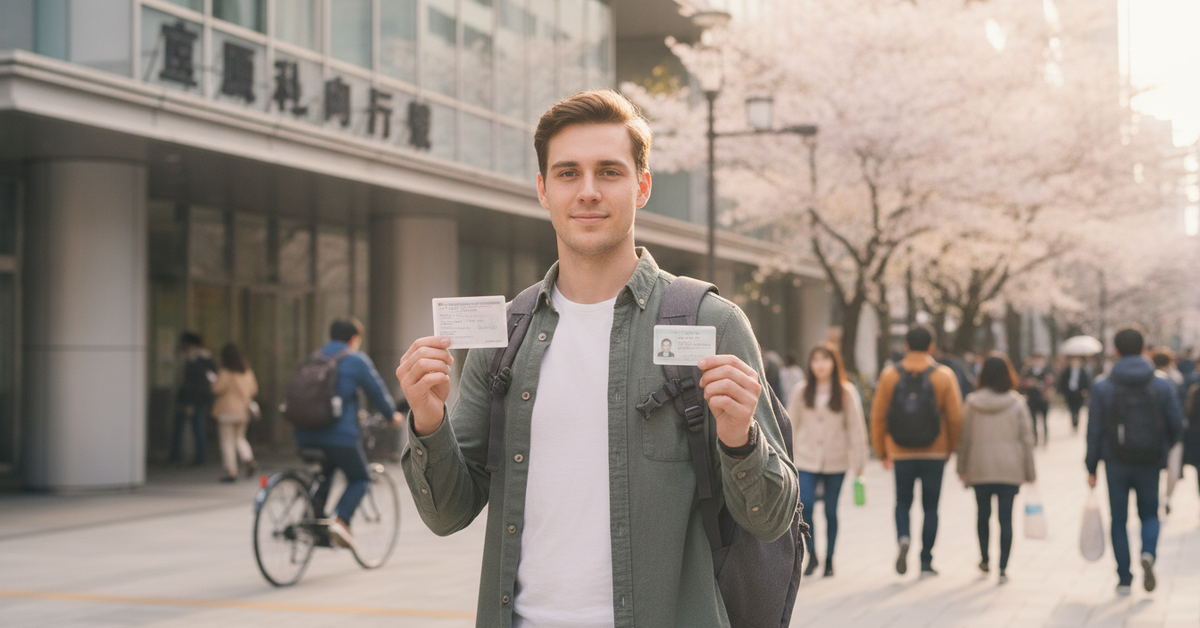
What Is Health Insurance in Japan for International Students?
Who Must Enroll: Rules for International Students
National Health Insurance (NHI) — called *Kokumin Kenko Hoken* in Japanese — is Japan’s public health coverage program. If you plan to stay in Japan for three months or more, you are legally required to join. This applies to almost every international student, regardless of your school type or scholarship status.
Yes, even MEXT scholarship recipients must enroll. There are no blanket exemptions for students.
Japan hosts over 300,000 international students each year, and the NHI system covers all of them under the same rules. You enroll after you arrive, register your address, and visit your local city or ward office. For a broader overview of student support programs available in Japan, Japan Student Services Organization (JASSO) is a reliable starting point.
What NHI Covers — and What It Doesn’t
NHI is a solid safety net. It covers 70% of most medical costs, so you pay just a 30% co-pay at the clinic or hospital. That includes GP visits, specialist care, hospital stays, surgery, prescriptions, mental health treatment, and basic dental care. For most everyday health needs, you’re well covered.
That said, NHI has gaps. It doesn’t cover private room fees, certain outpatient advisory charges, or some accident and liability situations. These are areas where supplemental plans like Gakkensai or private insurance can help. Your NHI card — your *hoken-sho* — is the physical proof of your coverage. Always carry it to appointments.
How to Enroll in NHI and Lower Your Monthly Premium
Step-by-Step: Enrolling at Your City or Ward Office
Enrolling in NHI is simpler than it sounds. After you arrive in Japan, your first step is to register your address at your local city or ward office. Do this within 14 days of moving in — that’s the legal deadline.
Once your address is registered, you can enroll in NHI at the same office. Bring your residence card, passport, and MyNumber card. The staff will process your enrollment and issue your insurance card, called your *hoken-sho*. Keep this card safe — you’ll show it every time you visit a clinic or hospital.
Don’t delay. If you sign up late, the office may charge you premiums going back to your arrival date, not your enrollment date. That retroactive bill can sting.
How to Qualify for a Student Premium Reduction
Here’s the part most students don’t know about: you can get your NHI premium cut dramatically. If your previous year’s income was low — or zero — you likely qualify for a reduction of 70–90% off the standard rate.
To claim it, you must declare your income, even if you earned nothing. Most students do this at the same city or ward office when they enroll. After the reduction, most zero-income students pay roughly ¥1,000–¥2,000 per month. Without it, the same coverage in Tokyo could cost ¥30,000–¥40,000 per year. That’s a big difference, so don’t skip this step.
Extra Coverage: Gakkensai and Private Insurance Options
What Gakkensai Covers and How Students Get It
Gakkensai is a personal accident insurance plan designed specifically for students in Japan. Its full name translates roughly to “Personal Accident Insurance for Students Pursuing Education and Research.” Most universities, graduate schools, junior colleges, and colleges of technology have adopted it, so there’s a good chance your school already offers it.
It covers injuries that happen during classes, on your commute, and in club activities. That’s a range of situations your NHI card won’t fully address. Both Gakkensai and a linked supplemental plan called *Inbound Futai-Gakuso* are managed by Japan Educational Exchanges and Services (JEES). You can find more detail on education-related policies and student frameworks through the Ministry of Education, Culture, Sports, Science and Technology (MEXT).
Private Supplemental Plans: Are They Worth It?
NHI covers 70% of most medical bills, but that remaining 30% co-pay can still add up after a hospital stay or surgery. Private supplemental plans — offered by providers like JEES Inbound, Tokio Marine, and Sompo — can cover that gap.
Many of these plans also include English-language helplines and cashless treatment at partner clinics, which is genuinely useful when you’re sick and stressed in a foreign country. Whether a private plan is worth the cost depends on your health, your budget, and what Gakkensai your school already provides. Review both before you decide — you may need less extra coverage than you think.