What Culture Shock in Japan Really Feels Like
The Honeymoon Phase and What Comes After
You land in Japan and everything feels magical. The trains run on time, the convenience stores sell hot food at midnight, and the streets are cleaner than anything you’ve seen before. This is the honeymoon phase — and it’s real, it’s fun, and it won’t last forever.
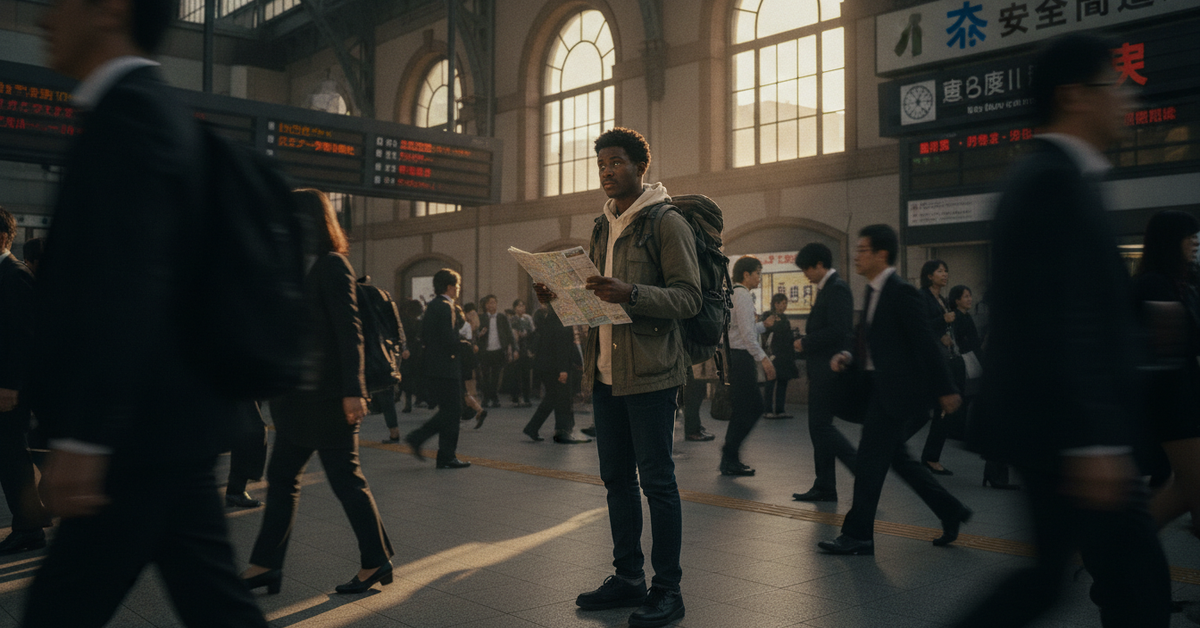
After a few weeks, the shine starts to fade. Small things get tiring: you can’t read the forms at city hall, your classmates seem hard to approach, and you miss food from home. That shift in feeling is culture shock in Japan, and it catches almost every new student off guard. It doesn’t mean you made the wrong choice. It just means you’re human.
The good news is that this phase passes.
Why Culture Shock in Japan Hits Students Hard
Japan looks familiar from anime and travel videos — so many students arrive expecting to feel at home quickly. That gap between expectation and reality is exactly what makes culture shock here so sharp.
Daily life runs on unspoken rules. People queue in silence, voices stay low on trains, and group harmony often matters more than personal opinion. If you grew up somewhere more direct or loud, this can feel cold or even unfriendly at first. It’s not — it’s just different.
On top of that, the language barrier hits harder in real life than in class. Reading a menu or asking for help at a konbini takes real effort early on. Give yourself grace during this stage. Struggle now means growth soon.
Cultural Differences That Catch New Students Off Guard
Social Rules, Silence, and Unspoken Expectations
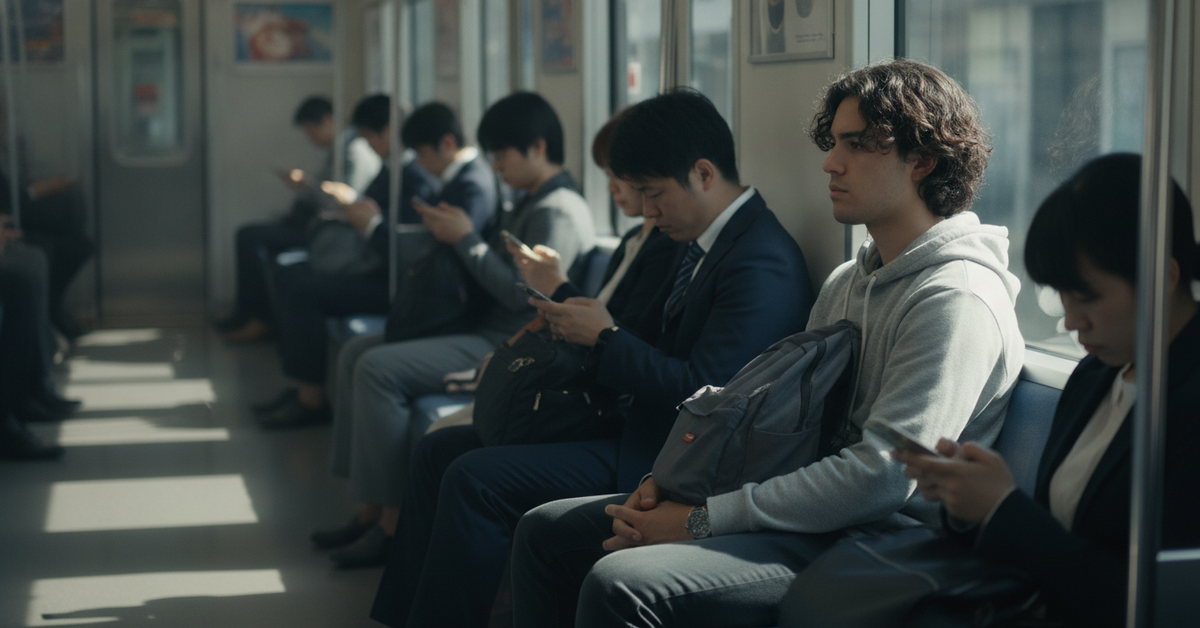
One of the biggest cultural differences in Japan is how much happens without words. People rarely speak on trains, even in a packed carriage. Nodding, bowing slightly, or staying quiet are all normal ways to show respect — and students who don’t know this can come across as rude without meaning to.
In class, don’t expect open debate. Many Japanese classrooms value listening over speaking up. If you jump in with loud opinions, you might get awkward silence rather than applause. It’s not that your ideas are wrong — the style is just different here.
Bowing is also more layered than it looks. A quick nod works for everyday thanks, but a deeper bow shows real respect.
Daily Customs: Trash, Bowing, and Quiet Carriages
Japan’s trash system is one of the first things that trips up new students. Waste is sorted into several categories — burnable, non-burnable, plastic, cans, and more — and each type goes out on a set day. Get it wrong, and your bag gets left behind with a note on it. Your local ward office or dorm staff will have a simple guide; grab it on day one.
Public spaces follow strict norms too. Eating while walking is frowned upon in many areas. Phone calls on trains are a real no. These aren’t just customs — locals notice when visitors ignore them, and it does affect how you’re treated day to day. Small habits add up fast, and following them shows you respect the culture around you. If you want a broader picture of what daily life in Japan actually looks like before you arrive, the Japan National Tourism Organization has useful practical overviews worth browsing.
Practical Tips to Adjust to Life in Japan Faster
Building a Support System Before You Feel Lonely
Don’t wait until you’re homesick to start making friends. Join a club, attend a school event, or find a language exchange partner in your first week. These small steps feel awkward at first, but they build a real network faster than you’d expect.
Many schools have international student groups or buddy programs that pair you with a local student. Use them. Even one or two people you can text when things feel hard makes a huge difference during culture shock in Japan.
Online communities help too. Groups on Discord or Reddit for students in your city can point you to the nearest cheap grocery store, warn you about confusing admin tasks, and just make you feel less alone on a tough day.
Managing Your Budget and Health as a New Arrival
Money stress makes culture shock worse, so build a clear budget early. Monthly costs in Tokyo typically run ¥120,000–¥200,000, covering rent, food, transport, and daily needs. Housing alone averages around ¥57,000 per month, and food adds roughly ¥50,000–¥60,000 on top of that. JASSO publishes detailed cost-of-living data for international students in Japan, which is worth checking as you plan your finances.
Your health matters just as much. National Health Insurance is mandatory if you stay three months or more. Register at your local city hall or ward office within 14 days of setting up your address. Annual premiums are roughly ¥20,000–¥30,000 for students with no Japanese income — that’s genuinely affordable cover, so don’t skip it.