Fuji Rock vs Summer Sonic 2026: Core Differences
Venue, Vibe, and What Kind of Fan You Are
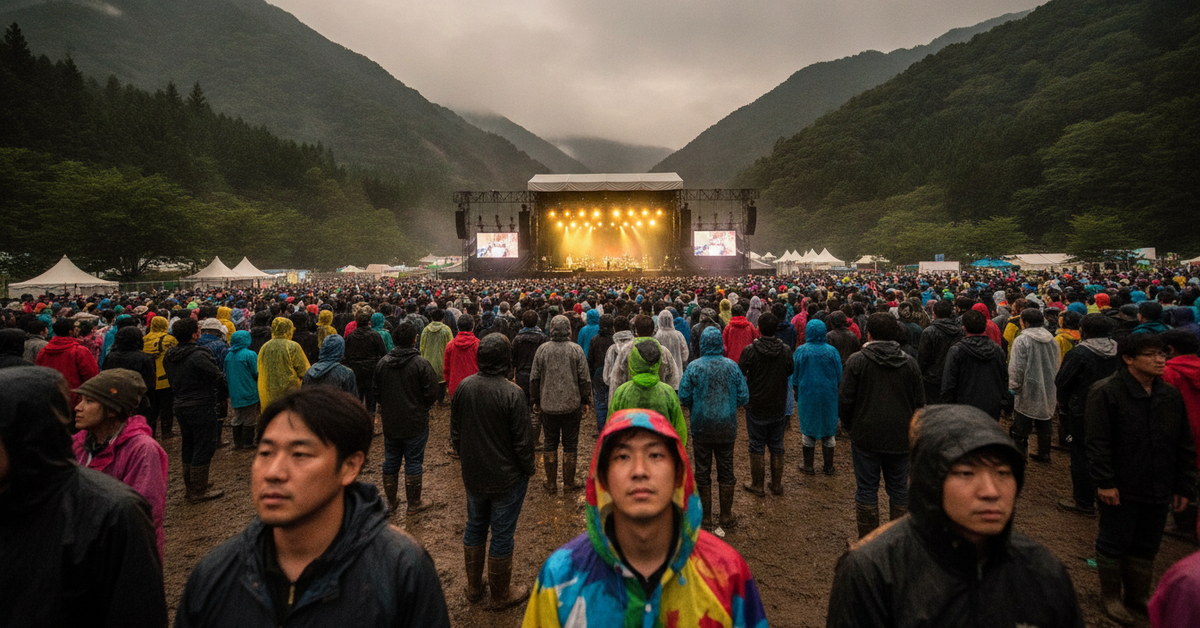
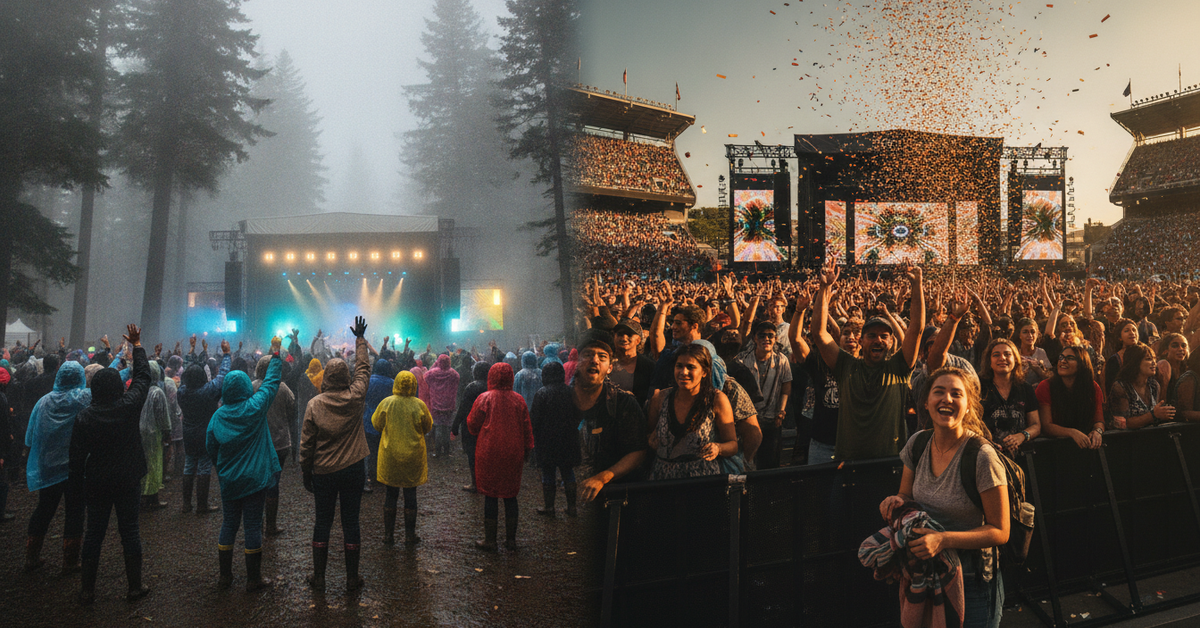
Fuji Rock is a forest festival. It takes place at Naeba Ski Resort in Niigata Prefecture — a mountain venue about three hours from Tokyo by bus or train. The setting is wild and beautiful, but it demands real effort. You’ll camp, hike between stages, and deal with unpredictable weather. Rain is common, mud is expected, and that’s part of the charm.
Summer Sonic is the opposite. It runs in Tokyo and Osaka simultaneously, using large indoor and outdoor stadium venues. You can stay in the city, sleep in a hotel, and commute to the festival each day. It’s cleaner, more convenient, and far less physically demanding.
Your choice comes down to the experience you want.
Lineup Style: Headliners vs Genre-Diverse Stages
Fuji Rock leans toward rock, indie, and alternative music. Its lineup builds around a few big headliners, with many acts drawn from global indie and electronic scenes. The crowd tends to be passionate and knowledgeable. Discovery is a big part of the fun — you’ll find artists you’ve never heard of and love them.
Summer Sonic covers more ground. Pop, hip-hop, rock, and electronic acts all share the bill. It pulls in mainstream international headliners and appeals to a broader, younger crowd. If you follow chart music or want guaranteed big names, Summer Sonic delivers that more reliably.
Neither festival is better — they just serve different tastes. Pick Fuji Rock for depth.
Logistics: Travel, Accommodation, and Real Costs
Mountains vs City Access: Getting There
Getting to Fuji Rock takes planning. Most fans travel from Tokyo by direct shuttle bus or by shinkansen to Echigo-Yuzawa, then a local bus to Naeba. The trip takes roughly three hours each way. You’ll need to book transport early — buses sell out fast, often before the festival lineup is even announced.
Summer Sonic is much simpler. The Tokyo venue (Makuhari Messe) is about 40 minutes from central Tokyo by train. The Osaka venue connects just as easily. You can leave your hotel in the morning and arrive at the gates without any special planning. No shuttles, no mountain roads, no advance transport bookings required.
For first-time visitors to Japan, Summer Sonic wins on ease.
Budget Breakdown: Tickets, Travel, and Extras
Ticket prices for both festivals sit in a similar range — roughly ¥20,000 to ¥25,000 per day, with three-day passes offering better value. That part is fairly equal. Where costs diverge is everything around the ticket.
Fuji Rock adds transport, camping gear or on-site lodging, and food costs in a remote area with limited cheap options. It adds up quickly. Summer Sonic lets you eat in the city, sleep in a standard hotel, and skip most extra gear. Your total spend at Summer Sonic is easier to control and predict.
If budget matters, Summer Sonic is the safer choice. Fuji Rock is a richer experience, but it costs more to do it properly.
How Overseas Fans Can Buy Tickets in 2026
Why Japan’s Ticketing System Blocks Foreign Fans
Japan’s festival tickets don’t sell through global platforms like Ticketmaster. They sell through domestic sites — eplus, Lawson Ticket, and Pia are the main ones. These platforms require a Japanese phone number, a local address, and often a Japanese credit card. If you live outside Japan, you hit a wall fast.
Both Fuji Rock and Summer Sonic use lottery systems for early ticket rounds. You apply during a set window, and the system draws winners at random. Miss that window, and remaining tickets sell out within minutes on general sale day.
Using a Proxy Service to Book Festival Tickets
A ticket proxy service is a Japan-based service that enters lotteries and buys tickets on your behalf. Globe Co., Ltd. does exactly this. You submit your event details through the inquiry form on globe-biz.jp, and Globe’s team handles everything — platform registration, lottery entry, and purchase — directly on your behalf.
You don’t need a Japanese phone number, address, or credit card. Globe manages the entire process using their own verified accounts on platforms like eplus or Lawson Ticket.
Frequently Asked Questions
How far is Fuji Rock from Tokyo, and how do you get there?
Fuji Rock takes place at Naeba Ski Resort in Niigata Prefecture, roughly three hours from Tokyo. Most fans travel by direct shuttle bus or by shinkansen to Echigo-Yuzawa, then a local bus to Naeba. Transport books out fast — often before the lineup is even announced — so plan early.
Can I attend Summer Sonic without booking special transport or accommodation in advance?
Yes, Summer Sonic is designed for easy city access. The Tokyo venue at Makuhari Messe is about 40 minutes from central Tokyo by train, and the Osaka venue connects just as simply. You can stay in a standard hotel and commute to the festival each day with no shuttles or advance transport bookings needed.
Which festival is better for fans who want mainstream international headliners?
Summer Sonic is the stronger choice for that. It covers pop, hip-hop, rock, and electronic music, and consistently pulls in mainstream international names. Fuji Rock leans more toward rock, indie, and alternative acts, with discovery of lesser-known artists being a big part of the experience.
Why can’t overseas fans just buy Fuji Rock or Summer Sonic tickets directly online?
Japan’s festival tickets sell through domestic platforms like eplus, Lawson Ticket, and Pia — not global services like Ticketmaster. These platforms require a Japanese phone number, local address, and often a Japanese credit card, which blocks most international fans outright.
What is a ticket proxy service, and how does it help with Japanese festival tickets?
A ticket proxy service is a Japan-based service that enters lotteries and purchases tickets on your behalf. Globe Co., Ltd. works this way — you submit your event details through the inquiry form on globe-biz.jp, and Globe’s team handles platform registration, lottery entry, and purchase. It’s a practical workaround for the eligibility barriers that shut out overseas fans.
Which festival costs more overall for an international visitor?
Ticket prices are similar for both, sitting roughly in the ¥20,000–¥25,000 per day range. Fuji Rock adds significant extra costs — transport to a remote mountain venue, camping gear or on-site lodging, and limited food options. Summer Sonic’s city setting lets you control spending more easily, making it the more budget-predictable option.