Understanding Sumo Tournaments and Ticket Types in Japan
The Six Annual Basho: When and Where They’re Held
A basho is a Grand Sumo Tournament held six times a year across Japan. Each one runs for 15 days, and the schedule stays consistent year to year — so it’s easy to plan your trip around one.
Tokyo hosts three basho annually: January, May, and September, all at Ryogoku Kokugikan. Osaka takes March, Nagoya gets July, and Fukuoka closes out the year in November. If you’re flexible on timing, Tokyo is the easiest pick — it’s the most accessible city and has the most tourist infrastructure.
The January basho tends to sell out fastest. May and September are also very popular, especially with overseas visitors.
What Sumo Tickets Cost and What Each Tier Gets You
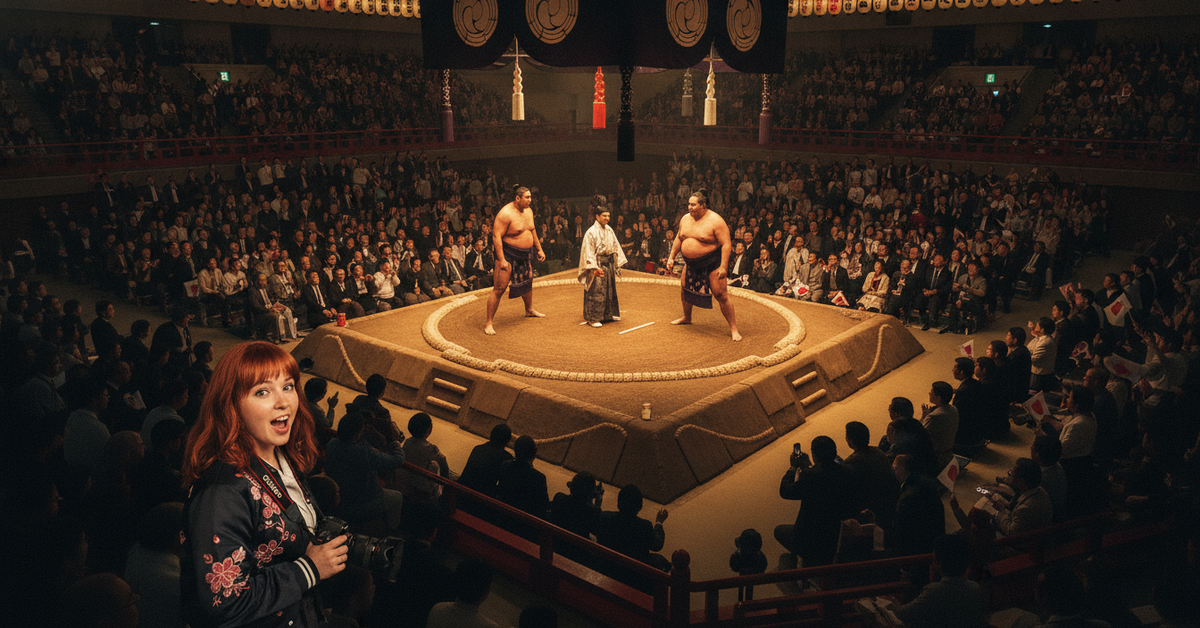
Sumo ticket prices range from around ¥2,200 for upper arena seats to over ¥14,000 for ringside box seats. The exact price depends on the seat type and how close you want to sit to the dohyo, which is the raised clay ring where wrestlers compete.
Box seats (known as masu-seki) fit four people and sit right at floor level. They feel immersive and exciting, but they’re also the hardest to get. Arena seats higher up are easier to find and still give you a great view of the action.
One thing to know: early bouts start around 8am, but the top-division wrestlers don’t fight until late afternoon. Most fans arrive mid-afternoon to catch the best matches without sitting through a full day.
How to Buy Sumo Tickets Japan 2026 as a Foreign Visitor
Official Channels: JSA Site, eplus, and Convenience Stores
The Japan Sumo Association sells tickets through its official English website at sumo.or.jp. You can browse seat types, check availability, and buy directly — making it the most tourist-friendly starting point for sumo tournament ticket booking.
Third-party platforms like eplus and Pia also sell sumo basho tickets, often with more seat options. These sites are mainly in Japanese, but with a browser translation tool, many overseas fans manage to navigate them. The catch is that some listings require a Japanese phone number or billing address to complete checkout.
Convenience stores like Lawson and 7-Eleven have in-store ticket terminals too.
Why Overseas Fans Hit a Wall and What to Do Instead
Here’s the frustrating truth: many sumo tickets sell out before international fans even get a chance. Popular basho in Tokyo fill up within hours of going on sale, especially box seats and lower-arena spots. The systems simply weren’t built with overseas buyers in mind.
The biggest barriers are language, payment, and address requirements. Most Japanese ticketing platforms need a local phone number and a Japanese credit card or convenience store payment. If you don’t have those, the checkout process stops you cold.
That’s where a proxy booking service becomes genuinely useful. A proxy service is a company that handles ticket purchases on your behalf, using their own local credentials.
Using a Proxy Service to Get Sumo Tickets in Japan
How Globe’s Ticket Booking Service Works for You
Globe is a Japan-based proxy service that buys sumo basho tickets on your behalf. You don’t need a Japanese address, local phone number, or Japanese credit card. Globe handles all of that, accessing platforms like eplus or the official JSA site using their own local credentials.
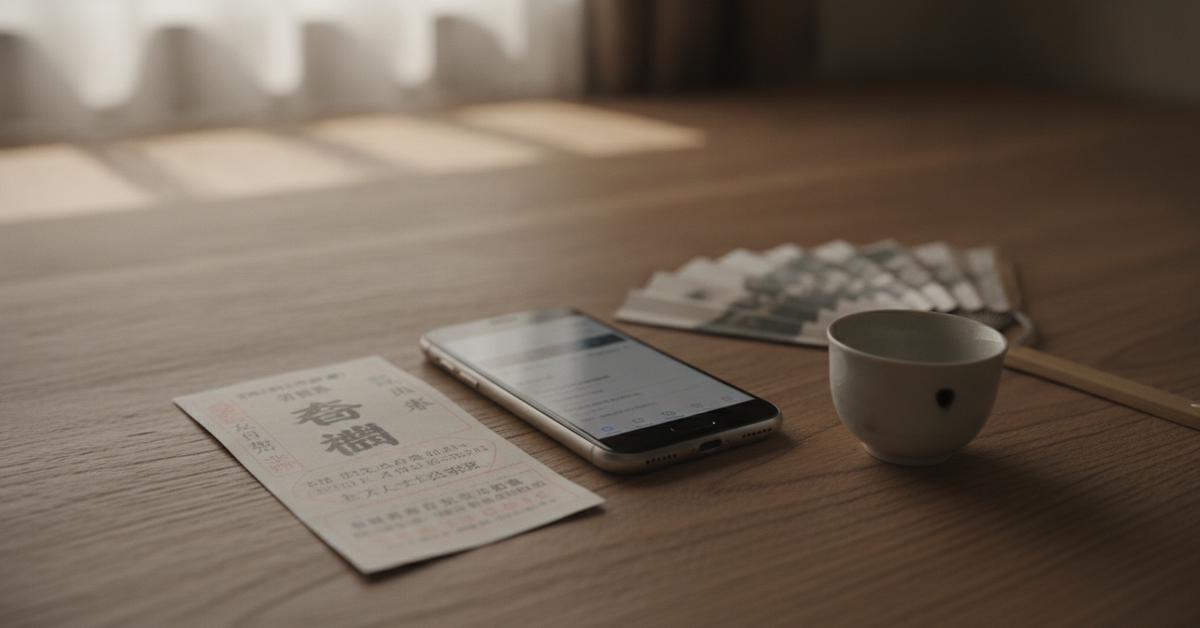
The process starts with the inquiry form on globe-biz.jp. You fill in your event details — the basho you want to attend, your preferred dates, seat type, and how many tickets you need. Globe then registers and purchases on the platform on your behalf, so you clear the eligibility barriers that stop most overseas fans cold.
It’s a straightforward solution for a genuinely frustrating problem.
What to Expect After You Submit Your Inquiry
Once you submit your inquiry, Globe reviews your request and confirms whether the tickets are available. They’ll reach out to explain the next steps, including pricing, service fees, and payment options. The whole process is handled in English, which makes it far less stressful than going it alone.
Timing matters here. Submit your inquiry as early as possible — popular basho sell out fast, and some tickets enter lottery systems weeks before the event. The earlier Globe gets your request, the better your chances. For a broader look at how Japan’s entertainment ticketing landscape works, JETRO’s overview of events and entertainment in Japan is a useful reference.
After your tickets are confirmed, Globe arranges delivery or collection to suit your trip.
Frequently Asked Questions
How many sumo tournaments are held in Japan each year, and where?
There are six Grand Sumo Tournaments (basho) held annually across Japan. Tokyo hosts three (January, May, September) at Ryogoku Kokugikan, with Osaka in March, Nagoya in July, and Fukuoka in November. If you’re flexible, Tokyo is the easiest pick for first-timers due to its tourist infrastructure.
How much do sumo tickets cost?
Prices range from around ¥2,200 for upper arena seats to over ¥14,000 for ringside box seats. Box seats (masu-seki) seat four people at floor level and are the most immersive option, but also the hardest to get.
What time should I arrive at a sumo tournament?
Early bouts begin around 8am, but top-division wrestlers don’t fight until late afternoon. Most fans arrive mid-afternoon to catch the best matches without sitting through a full day.
Why can’t overseas fans just buy sumo tickets directly online?
Most Japanese ticketing platforms require a local phone number, a Japanese credit card, or a Japanese billing address to complete checkout. Popular Tokyo basho also sell out within hours of going on sale, which puts international buyers at a further disadvantage.
What is a proxy booking service and how does it help?
A proxy service is a company that handles ticket purchases on your behalf using their own local credentials. Globe, for example, accesses platforms like eplus or the official JSA site directly, so you don’t need a Japanese address, phone number, or credit card to secure tickets.
How do you request Globe’s ticket booking service for sumo?
You submit your event details — the basho you want, preferred dates, seat type, and number of tickets — through the inquiry form on globe-biz.jp. Globe then registers and purchases on the relevant platform on your behalf, clearing the eligibility barriers that stop most overseas fans.