What Are Tenugui and Furoshiki — And Why Sewers Love Them
Tenugui: Japan’s Most Versatile Cotton Cloth
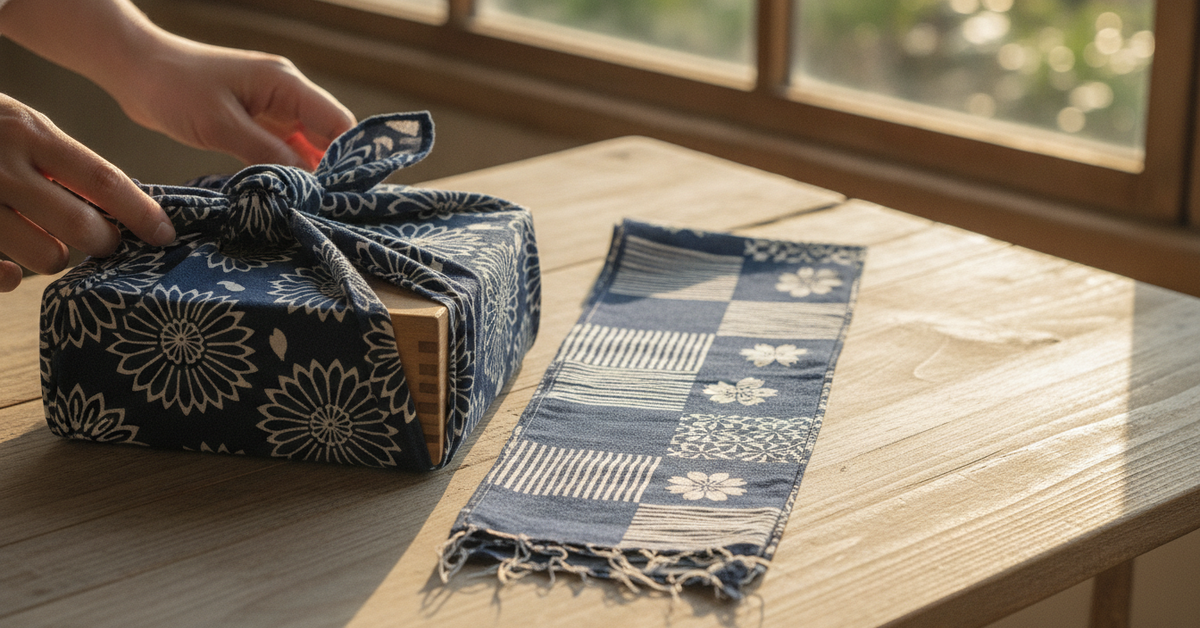
Tenugui is a thin, flat cotton cloth traditionally used in Japan for everything from hand towels to festival headbands. It measures roughly 35 by 90 centimeters — small enough to fold into a pocket, but surprisingly useful. Sewers love it because the fabric is lightweight, quick to dry, and takes dye beautifully.
What makes tenugui special is the cut edges. Unlike most Western fabrics, tenugui cloth has raw, unfinished edges that fray slightly over time. This is intentional. The fraying is part of its charm, and it actually helps the cloth soften with each wash. For sewers, those clean lines and tight weave make it ideal for quilting, lining bags, or making headbands and pouches.
Furoshiki: The Wrapping Cloth Sewers Can’t Get Enough Of
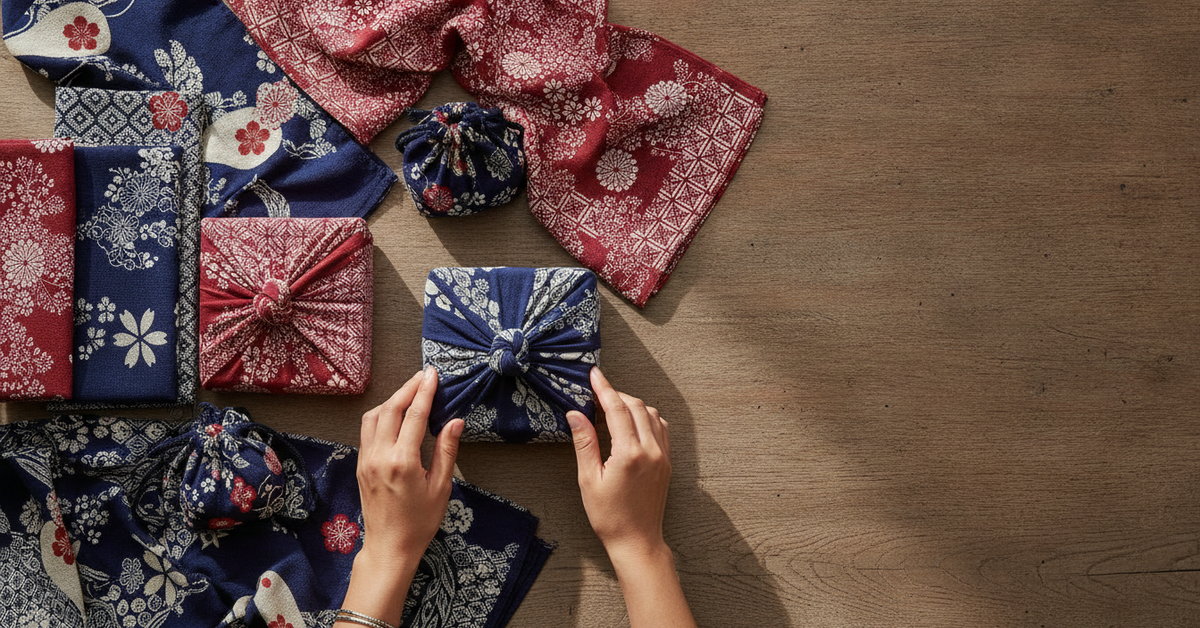
Furoshiki is a square Japanese wrapping cloth used to carry, wrap, and gift items — often in place of a bag or box. Sizes range from small 50-centimeter squares to large 100-centimeter sheets. The fabric varies too, from crisp cotton to soft rayon and even silk.
Sewers are drawn to furoshiki for its bold, printed designs. Japanese makers invest heavily in the patterns — think indigo florals, geometric grids, and seasonal motifs. The cloth itself is also pre-finished and easy to work with, making it great for tote bags, scarves, or wall hangings. It’s functional art that you can cut, stitch, and make your own.
Where to Find Authentic Japanese Fabric Online
Shopping Japanese Fabric Directly from Japan
The best place to find authentic tenugui and furoshiki wrapping cloth is Japanese online stores — not international marketplaces. Sites like Rakuten, Yahoo! Shopping Japan, and specialist textile shops carry hundreds of designs made by real Japanese craftspeople. You’ll find regional dye styles, limited seasonal prints, and fabric weights you simply can’t get elsewhere.
The catch is that most of these stores only ship within Japan. Their sites are in Japanese, and checkout requires a Japanese address. That feels like a dead end — but it isn’t. A proxy shopping service bridges that gap, letting you order directly from these stores and have your fabric shipped internationally.
Why Generic Fabric Sites Don’t Compare
Western fabric sites do sell “Japanese-style” prints, but most of them aren’t made in Japan. The patterns are inspired by Japanese design, not produced by Japanese makers. That’s a big difference — especially if you care about authenticity, fabric quality, or owning something with real craft behind it.
Japanese tenugui cloth uses a specific weaving method that gives it that clean, almost tissue-like feel. Furoshiki wrapping cloth from Japan carries dye in a way that holds its color wash after wash. These details matter when you’re sewing. Fabric sourced directly from Japan simply performs and looks better than imitations sold abroad. For a broader picture of how Japanese consumer goods — including textiles — reach global buyers, the Japan External Trade Organization publishes useful market insights worth browsing.
How to Buy Japanese Sewing Materials Without Living There
Using a Proxy Service to Order Japanese Fabric
A proxy shopping service is a company based in Japan that buys items on your behalf and ships them to your address abroad. You find the fabric you want, share the link, and they handle the purchase, packaging, and international delivery. It’s the most reliable way to access Japanese fabric stores that don’t ship overseas.
The process is straightforward. You don’t need to speak Japanese or have a Japanese credit card. The proxy service acts as your local buyer, so the store sees a domestic order — no complications, no rejections. For fabric lovers outside Japan, this is genuinely the cleanest path to owning authentic tenugui and furoshiki wrapping cloth from real Japanese makers.
How to Send Your Fabric Inquiry to Globe Co., Ltd.
Globe Co., Ltd. is a Tokyo-based proxy shopping service that purchases Japanese products for customers worldwide. Every order goes through their team directly — no bots, no anonymous resellers. You contact them, they buy your fabric, and they ship it to you.
Getting started is simple. Find the tenugui or furoshiki wrapping cloth you want on a Japanese site, then submit the product link and your details through Globe’s inquiry form. Globe’s team reviews your request, confirms the cost including shipping, and proceeds once you’re happy. If you’re curious about what to expect once your package leaves Japan, Japan Post’s international shipping page gives a clear overview of delivery options and tracking. It’s a human process, handled with care — exactly what you want when buying something as personal as fabric for your sewing projects.
Frequently Asked Questions
What is the difference between tenugui and furoshiki?
Tenugui is a long, rectangular cotton cloth measuring roughly 35 by 90 centimeters, traditionally used as a hand towel or headband. Furoshiki is a square wrapping cloth that comes in sizes from 50 to 100 centimeters and is used to carry or gift items. Both are popular with sewers, but furoshiki tends to have bolder printed designs, while tenugui is valued for its lightweight weave and raw, intentionally frayed edges.
Why do tenugui edges fray, and is that a problem for sewing projects?
Tenugui cloth has raw, unfinished edges by design — the fraying is intentional, not a defect. With each wash, the edges soften naturally, which is part of the fabric’s traditional charm. For sewing, the tight weave and clean lines still make it ideal for projects like quilting, bag linings, headbands, and pouches.
Are “Japanese-style” fabrics sold on Western sites the same as fabric made in Japan?
No — most Japanese-style prints sold on Western fabric sites are inspired by Japanese design but not actually made in Japan. Authentic Japanese tenugui uses a specific weaving method that gives it a distinct, almost tissue-like feel, and genuine furoshiki carries dye that holds its color wash after wash. These qualities are difficult to replicate, so fabric sourced directly from Japan performs and looks noticeably better.
Where can I find authentic tenugui and furoshiki online?
The best sources are Japanese online stores such as Rakuten, Yahoo! Shopping Japan, and specialist textile shops, which carry designs made by real Japanese craftspeople. You’ll find regional dye styles, limited seasonal prints, and fabric weights unavailable elsewhere. Most of these stores only ship within Japan, so you’ll need a proxy shopping service to order from them internationally.
How does a proxy shopping service work for buying Japanese fabric?
A proxy shopping service is a company based in Japan that purchases items on your behalf and ships them to your international address. You find the fabric you want on a Japanese site, share the product link and details via an inquiry form, and the proxy service handles the purchase, packaging, and delivery. You don’t need to speak Japanese or hold a Japanese credit card — the service acts as your local buyer.
What kinds of sewing projects work well with furoshiki fabric?
Furoshiki is pre-finished and easy to work with, making it a flexible choice for sewers. Its bold printed designs — including indigo florals, geometric grids, and seasonal motifs — translate beautifully into tote bags, scarves, and wall hangings. Because it comes in sizes up to 100 centimeters square, there’s enough cloth to work with for a range of projects beyond simple wrapping.