Why Japanese Kitchen Gadgets Are Worth It
The Philosophy Behind Japanese Kitchen Design
Japanese kitchen design follows one simple idea: every tool should do its job perfectly. Nothing more, nothing less. This sounds basic, but it leads to products that feel completely different from what you’d find in a Western kitchen store.
Japanese makers spend years refining a single tool. A rice washing bowl isn’t just a bowl with holes — it’s shaped to let water drain fast while keeping every grain inside. The grip, the angle, the weight — all of it gets carefully thought through before the product ever hits the shelf.
This attention to detail comes from a concept called *monozukuri* — the art of making things with care and pride.
How These Tools Differ from Western Alternatives
Most Western kitchen tools are built to be versatile. One pan does many jobs. One bowl serves many uses. Japanese tools take the opposite approach — they’re built for one task, and they do that task brilliantly.
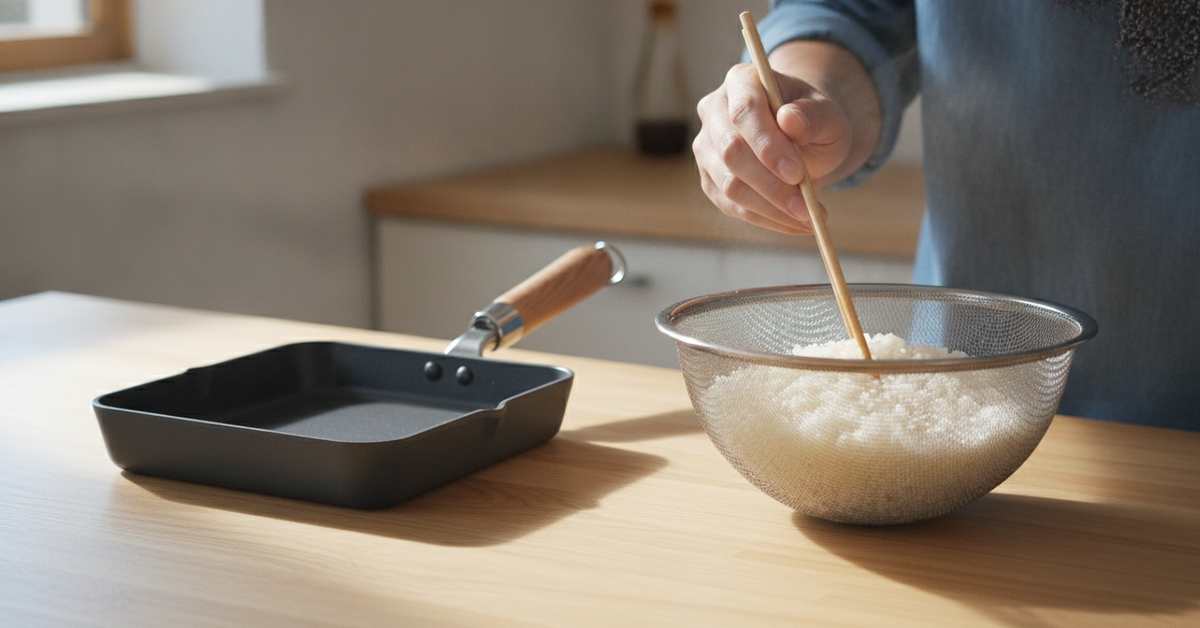
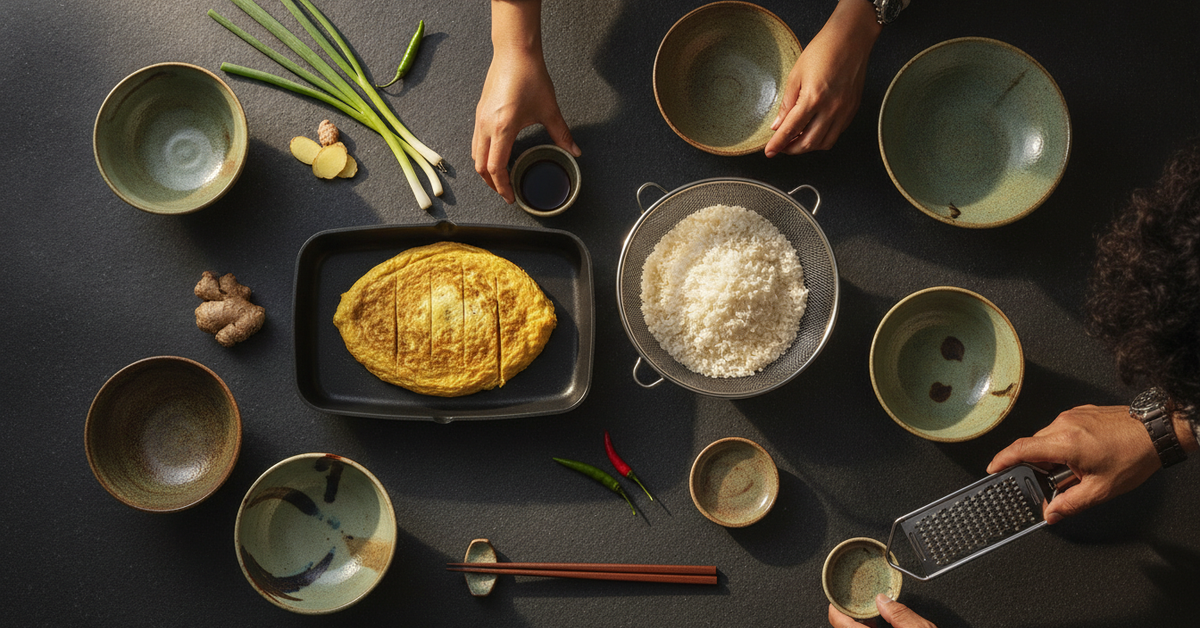
Take the tamagoyaki pan. It’s a small, rectangular pan made just for rolling Japanese omelettes. Its shape gives you clean, even layers every time. A regular round pan simply can’t do that as well, no matter how skilled you are.
This focus on single-use design might seem limiting at first. But once you try a tool built exactly for what you need, you won’t want to go back. Japanese kitchen gadgets don’t just work well — they make the whole cooking experience feel more satisfying.
Must-Have Tools: Rice Washer and Tamagoyaki Pan
The Rice Washer: Small Tool, Big Difference
A rice washer is a bowl or colander designed specifically to rinse rice quickly and cleanly before cooking. It sounds simple, but the difference it makes is real. Without one, rinsing rice in a regular bowl means losing grains down the drain or struggling to drain the water evenly.
Good Japanese rice washers have fine mesh sides or small raised ridges inside the bowl. These features let you scrub the rice gently with your fingers while the cloudy water drains away fast. You keep every grain, and the whole process takes under two minutes.
The result shows up clearly in your cooked rice — it’s fluffier, cleaner in taste, and less sticky in all the wrong ways.
The Tamagoyaki Pan: Japan’s Favorite Egg Pan
A tamagoyaki pan is a small rectangular frying pan made for cooking Japan’s iconic rolled omelette. The shape is everything here. It lets you fold thin egg layers neatly into a firm, even roll — something a round pan just can’t replicate cleanly.
Japanese tamagoyaki pans come in different sizes and materials. Copper pans heat evenly and give a beautiful golden finish. Non-stick versions are easier to clean and great for beginners. Brands like Kai produce pans built to last, with handles that stay cool and surfaces that brown the egg without burning it.
Making tamagoyaki at home feels surprisingly simple once you have the right pan. The tool guides the process.
How to Buy Japanese Kitchen Tools from Abroad
Finding Authentic Brands Like Kai Kitchen Gadgets
Kai is one of Japan’s most trusted kitchenware brands, with over 100 years of craftsmanship behind it. They make everything from sharp knives to tamagoyaki pans and rice washing bowls. The quality is consistent, and the designs are built for real everyday cooking — not just for looks.
The best place to find authentic Kai kitchen gadgets is directly through Japanese retailers and brand stores online. Products sold this way are genuine, properly packaged, and often come with options you won’t find on international resale sites. You get the real thing at a fair price.
One challenge is that many Japanese online stores don’t ship overseas. That’s where knowing your options really helps. According to the Japan External Trade Organization, Japan’s consumer goods market is rich with specialized kitchenware brands that rarely reach international shelves through conventional retail.
Using a Proxy Service to Order from Japan
A proxy shopping service is a company that buys items from Japanese stores on your behalf and ships them to your address abroad. You don’t need to read Japanese or have a local address. The service handles the purchase, packing, and delivery for you.
Globe Co., Ltd. offers this kind of service for shoppers outside Japan. The process is straightforward — find the product you want, copy the link, and send it along with your details through Globe’s inquiry form. Globe then purchases the item and arranges international shipping to you.
It’s a reliable way to get authentic Japanese kitchen tools without stress.
Frequently Asked Questions
What makes a Japanese rice washer different from just using a regular bowl?
Japanese rice washers have fine mesh sides or small raised ridges inside that let you scrub the rice gently while cloudy water drains away fast. A regular bowl makes it easy to lose grains down the drain or drain the water unevenly. The result in your cooked rice is noticeable — it comes out fluffier, cleaner in taste, and less sticky.
Why does the shape of a tamagoyaki pan matter so much?
The rectangular shape is specifically designed to help you fold thin egg layers into a firm, even roll. A regular round pan simply can’t replicate that clean, layered result, no matter how skilled you are. The shape of the pan essentially guides the cooking process for you.
What materials are Japanese tamagoyaki pans available in, and which is better for beginners?
Japanese tamagoyaki pans come in copper and non-stick versions, among others. Copper pans heat evenly and give a beautiful golden finish, while non-stick versions are easier to clean and better suited for beginners. Brands like Kai make pans with handles that stay cool and surfaces that brown the egg without burning it.
What is monozukuri, and why does it matter for Japanese kitchen tools?
Monozukuri is a Japanese concept meaning the art of making things with care and pride. It’s the philosophy behind why Japanese makers spend years refining a single tool rather than rushing it to market. This mindset is what gives Japanese kitchen gadgets their noticeably different feel compared to Western alternatives.
Why can’t I just buy authentic Kai kitchen gadgets from international resale sites?
Many Japanese online stores don’t ship overseas, which limits your options for getting genuine products. International resale sites may not carry the full range of options available through Japanese retailers and brand stores. Buying directly through Japanese sources means you get the real thing, properly packaged, at a fair price.
Why do Japanese kitchen tools focus on single-use design instead of being versatile?
Japanese kitchen philosophy prioritizes doing one task perfectly over doing many tasks adequately. This is the opposite of most Western kitchen tools, which are built for versatility. Once you use a tool built exactly for its purpose — like a tamagoyaki pan or a rice washer — the difference in results and cooking satisfaction is clear.