Understanding the Japan Retail Market Landscape
Key Players Dominating Japan Retail Today
Japan retail is a market worth over $1.4 trillion. A few major players control most of it. Knowing who they are helps you plan smarter.
Aeon and Seven & i Holdings lead the pack. Both run vast networks of stores across Japan. They cover everything from groceries to clothing.
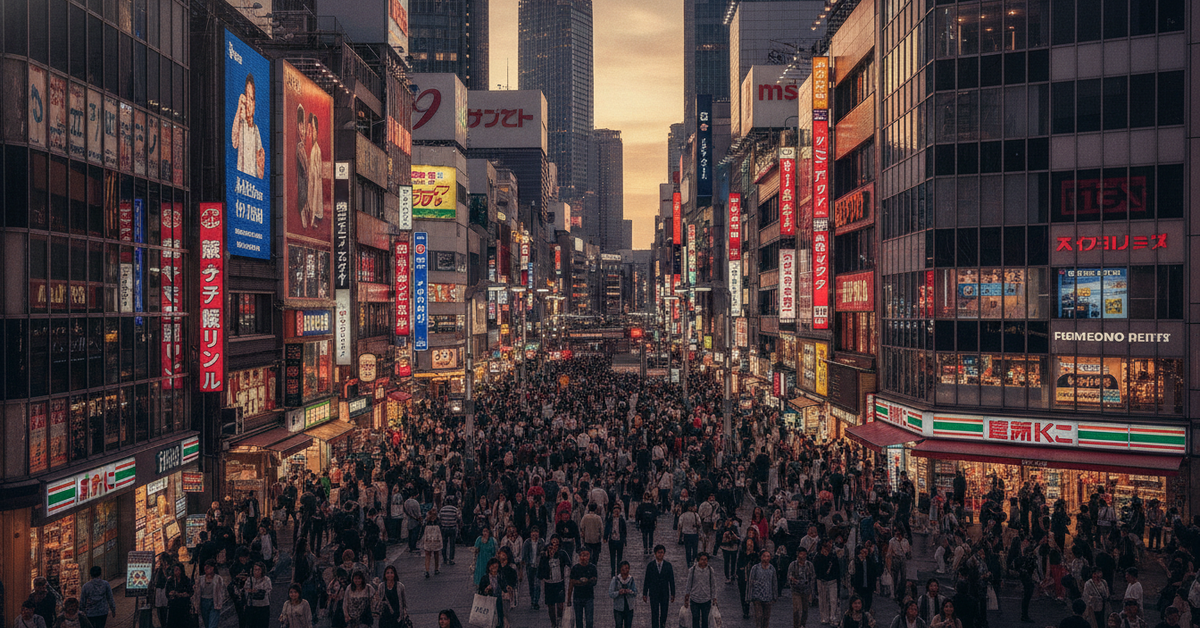
However, convenience store chains also hold huge power. FamilyMart, Lawson, and 7-Eleven Japan serve millions daily. These chains are far more than just snack stops.
In addition, e-commerce giants like Rakuten and Amazon Japan are growing fast. They compete hard with physical stores. As a result, traditional retailers must adapt or lose ground.
How Japan Retail Differs From Western Markets
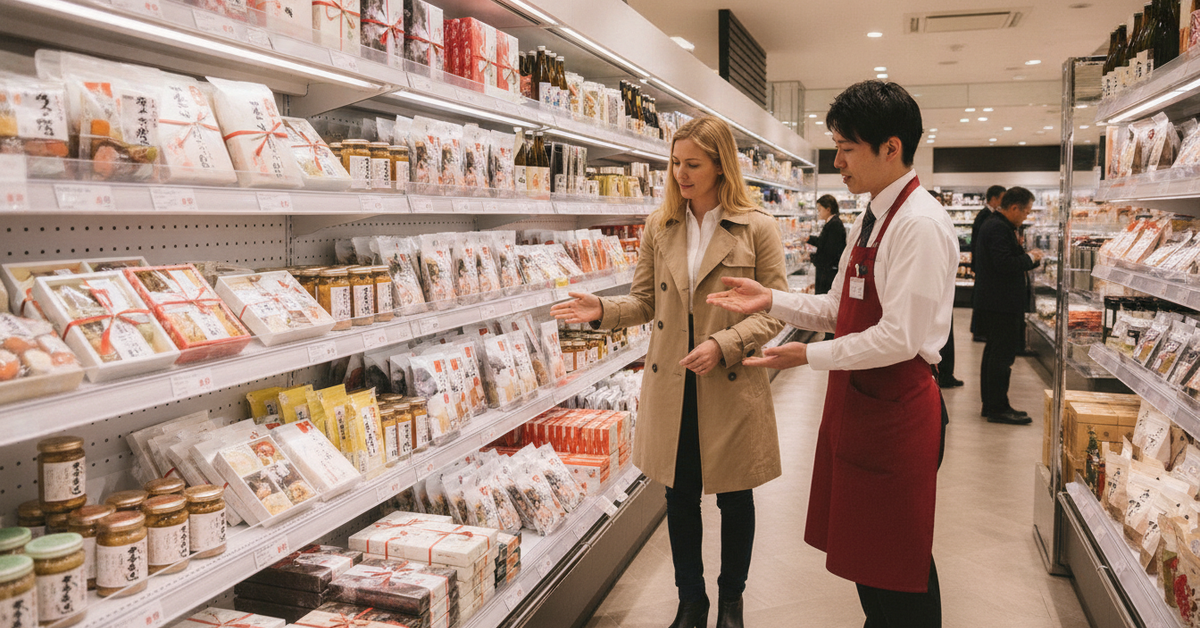
Japan retail follows rules that often surprise foreign brands. Service standards here are extremely high. Customers expect precision, care, and detail at every step.
For example, product packaging matters deeply to Japanese buyers. Poor design can kill sales fast. In contrast, a well-crafted package can drive strong loyalty.
Also, seasonal cycles drive buying habits in Japan. Retailers plan campaigns around specific dates and events. Meanwhile, Western markets rely more on broad year-round trends.
Therefore, understanding these local habits is key. Japan retail rewards brands that listen closely. So take time to study the market before you act.
Strategies Driving Growth in Japan Retail
Digital Integration Winning Japanese Customers
Japan retail is changing fast. Digital tools now shape how people shop. Smart retailers act quickly to keep up.
For example, Aeon uses app-based loyalty programs to retain buyers. Customers earn points and get personal deals. As a result, shoppers return more often and spend more.
Also, cashless payment is growing across Japan. IC cards, QR codes, and apps make checkout fast. In contrast, cash-only stores are losing younger customers quickly.
Meanwhile, data drives smarter stock decisions in modern stores. Retailers track buying trends in real time. Therefore, shelves stay full of products people actually want. So digital tools are no longer optional in Japan retail.
How Convenience Culture Shapes Japan Retail
Convenience culture is a core part of Japan retail. Japanese shoppers value speed, access, and ease. Retailers who deliver all three tend to win.
For example, konbini stores stay open 24 hours a day. They sell food, pay bills, and ship parcels. In addition, they stock fresh meals changed three times daily.
So convenience stores act as full service hubs. They meet needs that large stores often miss. Meanwhile, this model pushes all retailers to raise their standards.
Furthermore, location strategy matters deeply in Japan. Stores must sit close to train stations or busy streets. As a result, foot traffic drives a large share of daily sales.
Entering the Japan Retail Market as a Foreign Brand
Japanese Consumer Expectations You Must Meet
Japanese consumers set very high standards. They expect quality, detail, and care in every product. Therefore, foreign brands must prepare well before they enter.
For example, product labels must be clear and accurate in Japanese. Vague or poor translations damage trust fast. In contrast, precise and clean labels build strong first impressions.
Also, after-sale service matters deeply here. Japanese buyers expect quick and polite responses. As a result, brands need solid local support teams ready to help.
Furthermore, quality control must be strict at every stage. One bad product can harm your brand for years. So treat every item you sell as your best one.
Common Mistakes Foreign Brands Make in Japan
Many foreign brands enter Japan retail without enough research. They assume what works at home will work here. However, Japan retail has its own rules and rhythms.
For example, some brands price their products too low. In Japan, low price often signals low quality. Therefore, fair to premium pricing tends to earn more trust.
Also, many brands ignore the power of seasonal campaigns. Japan retail runs on key dates and gift seasons. In contrast, brands that plan for these moments see strong sales spikes.
Meanwhile, skipping local partnerships is a costly mistake. A trusted local partner opens doors fast. According to JETRO’s investment and market entry resources, finding the right local partner is one of the most important steps for any foreign brand entering Japan. So find the right partner early and build that bond well.