Part-Time Work in Japan: Rules Every International Student Must Know
What Is the Official Work Permission Rule?
Japan takes work rules for students seriously. So, you must get official permission before you start any job. This permission is called “Permission to Engage in Activity Other Than That Permitted.”
You apply for this at the immigration office. In most cases, your school helps you understand the process. However, you must submit the application yourself.
This rule applies to all international students in Japan. For example, language school students need it too. Without it, working is illegal — even one shift.
Therefore, make sure you obtain permission to work part-time before starting a part-time job. After receiving your residence card, check the back of the card for the “Permission for Activities Outside the Status of Residence” section. If it states that permission has been granted, you are allowed to work part-time within the permitted conditions.
How Many Hours Can International Students Work?
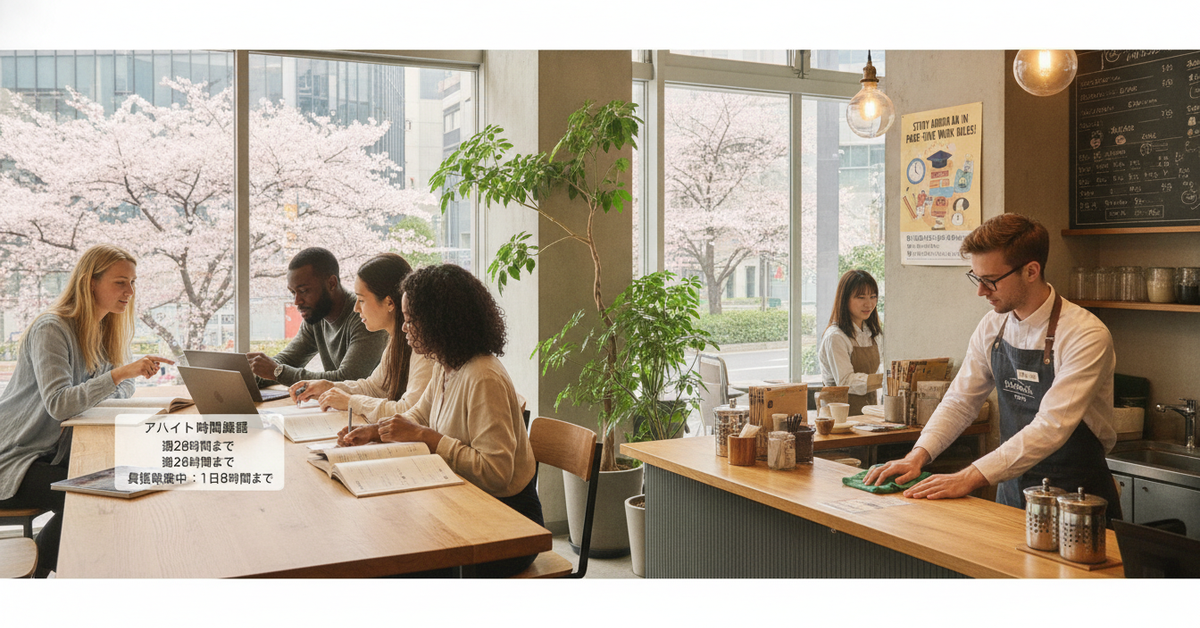
The standard limit is 28 hours per week. So, you cannot work full-time during school terms. Also, you must track your hours carefully each week.
However, during long school holidays, the limit rises to 8 hours per day. This gives you more flexibility in summer or winter breaks. Many students use this time to earn extra money.
In addition, some job types are off-limits entirely. For example, adult entertainment work is strictly banned. Breaking these rules can affect your visa status.
Therefore, knowing your limits protects your student status. Always stay within the legal hours. Your future in Japan depends on it.
Where International Students Find Part-Time Work in Japan
Why Retail Jobs Are the Most Accessible for Students
Retail jobs are popular among international students in Japan. They are easy to find and widely available. Also, many retail employers welcome student workers.
Japan’s retail industry is huge. For example, convenience stores alone employ hundreds of thousands of workers. In addition, supermarkets and department stores always need part-time staff.
These jobs suit students well. The shifts are flexible and fit around school hours. Furthermore, many stores offer early morning or late evening slots.
However, your Japanese level matters. Most retail jobs need basic daily Japanese. So, reaching at least JLPT N4 before you start job hunting helps a lot.
Convenience Stores, Supermarkets, and Department Stores
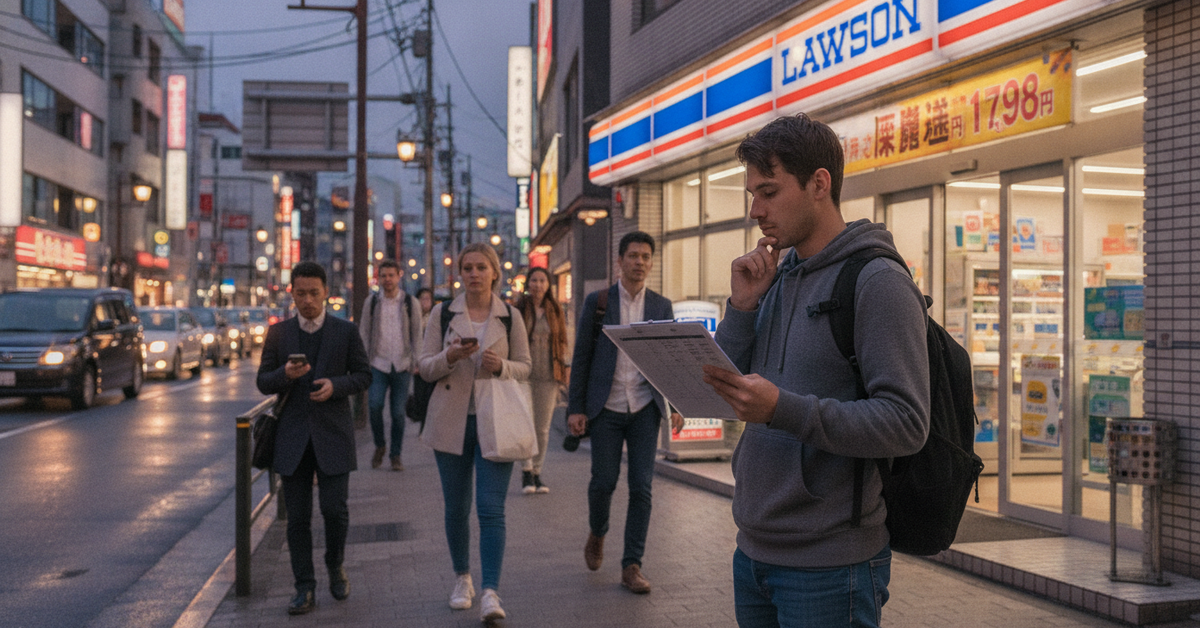
Convenience stores are a top choice for student workers. They are open 24 hours and always need staff. For example, FamilyMart, Lawson, and 7-Eleven hire many students.
Supermarkets are also a strong option. Tasks include stocking shelves, working the register, and helping customers. In addition, shifts often start early in the morning.
Department stores offer a different feel. The work is more formal and customer-focused. However, they may expect a higher level of Japanese from their staff.
Also, pay rates vary by location. Tokyo tends to pay more per hour than rural areas. So, where you study in Japan affects how much you can earn.
Balancing Study and Part-Time Work in Japan
How to Fit Work Around Your School Schedule
Language school keeps you busy. Classes run most weekday mornings. So, most students look for afternoon or evening shifts.
Many retail stores offer short shifts of four to five hours. This works well around a full school day. Also, some stores let you set a fixed weekly schedule.
However, exam periods get intense. During those weeks, cut your work hours back. Your study results affect your visa renewal, so school always comes first.
In addition, track your weekly hours in a simple notebook or phone app. It is easy to lose count across multiple shifts. Therefore, staying organized keeps you safe and legal.
What Happens If You Break the Work Rules?
Breaking work rules in Japan is a serious matter. For example, working without permission leads to visa problems. In the worst case, you may have to leave Japan.
Also, working over 28 hours per week is a common mistake. Some students do not realize extra shifts add up fast. As a result, always count hours across all jobs, not just one. JASSO Japan Student Services Organization provides detailed guidance on student visa conditions and work rules worth reviewing before you start.
Furthermore, immigration officers do check records. Employers report worker hours to the government. So, there is no easy way to hide rule-breaking.
However, honest mistakes do happen. If you think you made an error, talk to your school’s student adviser quickly. Acting fast shows good faith and may reduce the impact.