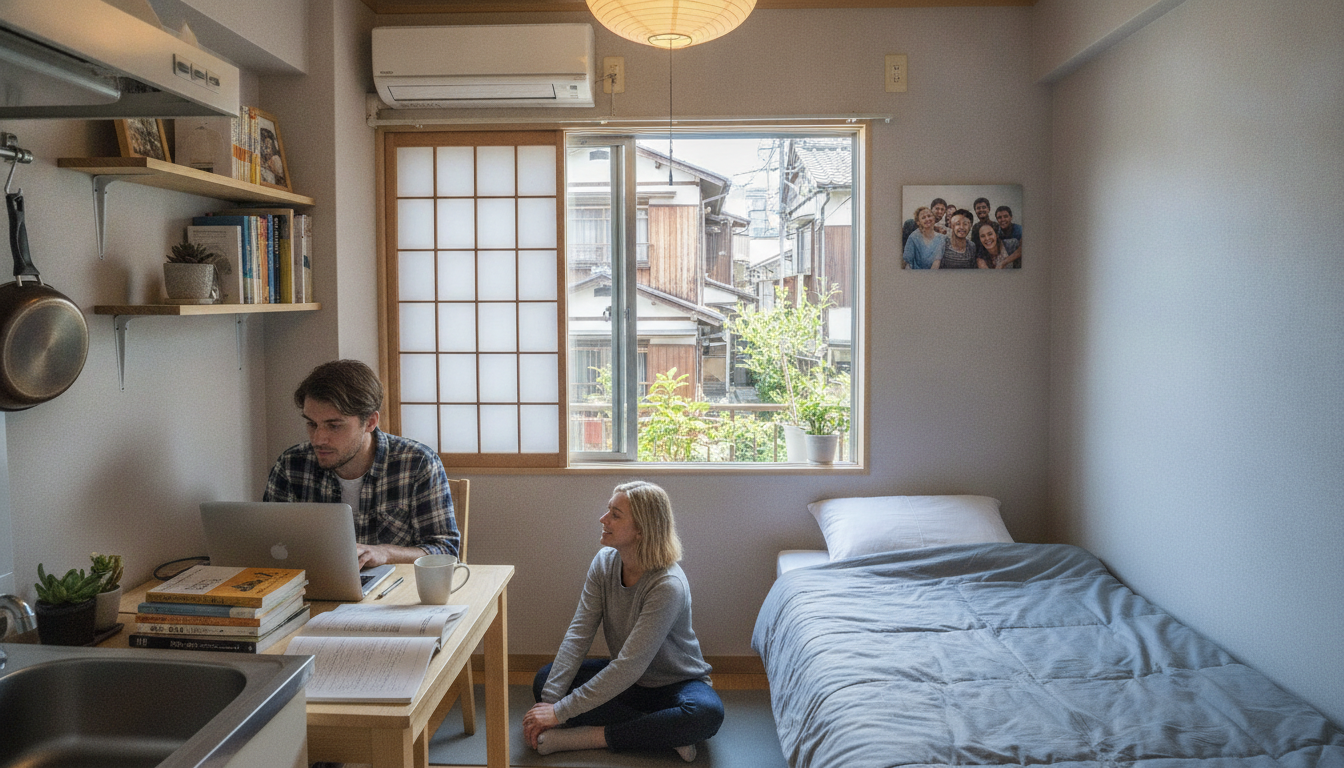
Understanding Student Housing in Japan
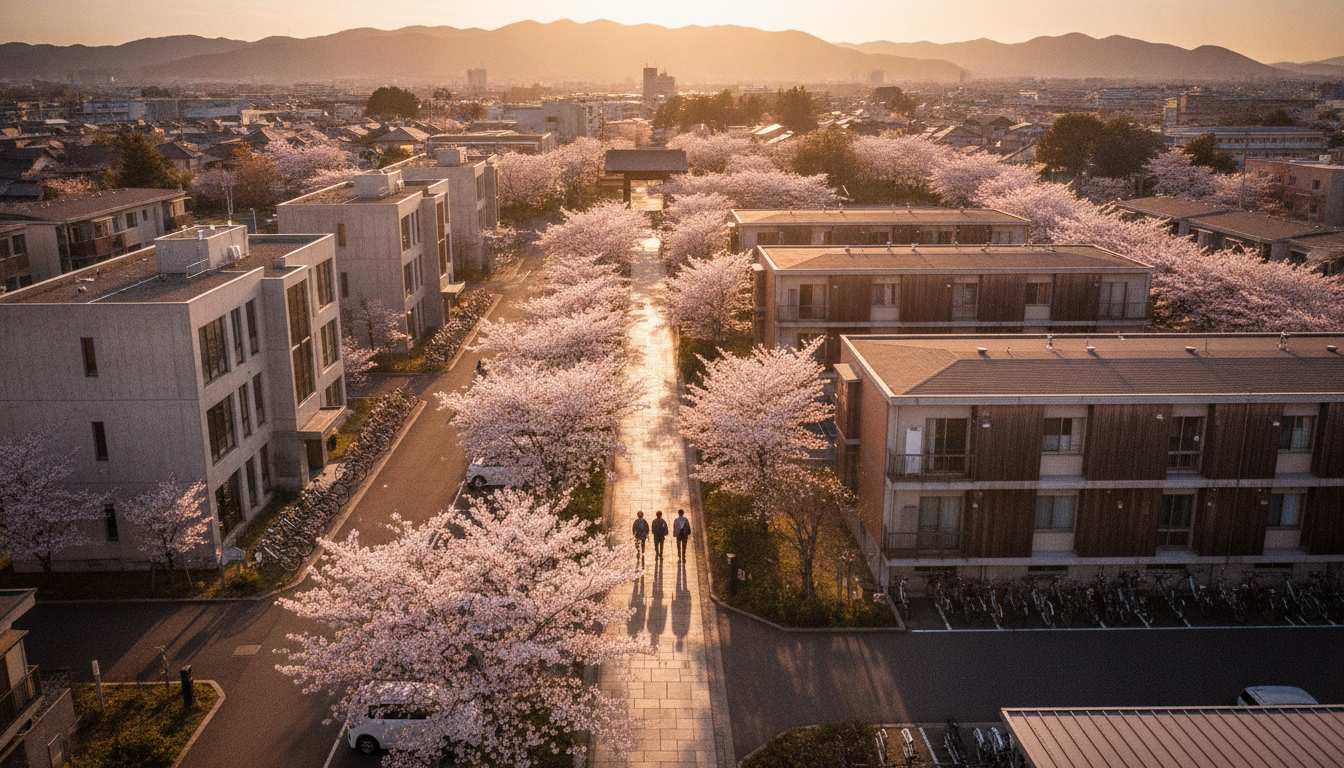
University Dormitories: Affordable First Step
Student housing in Japan starts with university dorms. These are the most affordable option for new arrivals. Many schools offer them directly to international students.
Dorms usually cost between ¥20,000 and ¥50,000 per month. That price often includes utilities and internet. So, you save money right from the start.
However, dorms come with rules. Most have curfews, quiet hours, and shared bathrooms. In addition, spaces fill up fast, so apply early.
Furthermore, living in a dorm helps you meet people. You share space with local and international students. As a result, you build friendships and learn Japanese culture faster.
Private Apartments: Freedom and Flexibility
In contrast, private apartments give you more freedom. You choose your own schedule and lifestyle. However, they cost more than dorms each month.
Rent in Japan varies by city. In Tokyo, expect to pay ¥50,000 to ¥90,000 per month. Meanwhile, smaller cities like Sendai or Fukuoka are much cheaper.
Also, renting in Japan has extra steps. Most landlords ask for a guarantor and key money. Therefore, budget for these upfront costs before you sign.
For example, key money can equal one to two months of rent. This adds up quickly. So, plan your budget with care before you choose an apartment.
How Much Does Student Housing in Japan Cost?
Monthly Budget by City and Housing Type
Student housing in Japan varies a lot by location. Tokyo is the most expensive city for students. However, other cities offer much lower rent.
In Tokyo, dorms cost around ¥30,000 to ¥50,000 per month. Private apartments there run ¥60,000 to ¥90,000. Meanwhile, Osaka sits in the middle range for most housing types.
In contrast, cities like Sapporo or Fukuoka are far cheaper. A private room there can cost as low as ¥35,000. So, choosing your city wisely can save you a lot of money.
Furthermore, share houses are a great mid-range option. They cost less than solo apartments but offer more freedom than dorms. As a result, many students choose them as a smart middle ground.
Hidden Costs Before You Sign a Lease
Hidden costs are a big part of student housing in Japan. Many first-time renters forget to budget for them. Therefore, you need to plan ahead before you sign anything.
Key money is one common extra cost. It is a gift payment to your landlord. In addition, you often pay a security deposit of one to two months rent.
Also, agency fees can add another month of rent to your bill. These fees go to the real estate agent. So, your move-in costs can reach three to four months of rent total.
Furthermore, utilities like gas, water, and power are usually separate. Budget around ¥10,000 to ¥15,000 extra each month. As a result, always factor these into your total monthly spending plan.
Tips for Finding Student Housing in Japan
How to Search for Housing Before You Arrive
Finding student housing in Japan before you land is very smart. It removes stress and saves time on arrival. Therefore, start your search at least three months early.
Your university is the best first stop. Most schools have a housing office for international students. In addition, many post listings on their official websites.
Also, online platforms like GaijinPot and Suumo list student-friendly rooms. These sites let you filter by city, price, and room type. So, you can compare many options from your home country.
Furthermore, Facebook groups and student forums are helpful too. Many students share leads and real reviews there.
Key Rules International Students Must Know
International students must follow specific rules when renting in Japan. These rules are different from most Western countries. However, knowing them early makes the process much smoother.
Most landlords require a Japanese guarantor. This is a person who agrees to cover your rent if you cannot pay. In addition, some agencies now offer guarantor services for foreign students. The Japan Student Services Organization also provides helpful guidance on support systems available to international students.
Also, many landlords prefer tenants who speak basic Japanese. Therefore, learning simple phrases before you arrive can help a lot. It shows respect and builds trust with your landlord.
Furthermore, your visa status affects your rental options. Some landlords only rent to students with valid visas. You can check your student visa requirements through the Ministry of Foreign Affairs of Japan Visa Information page before you apply.